
 EN
EN
 AR
AR
 BG
BG
 CS
CS
 FR
FR
 DE
DE
 EL
EL
 IT
IT
 JA
JA
 KO
KO
 NO
NO
 PL
PL
 PT
PT
 RU
RU
 ES
ES
 TL
TL
 ID
ID
 SR
SR
 SK
SK
 TH
TH
 TR
TR
 MS
MS
 KA
KA
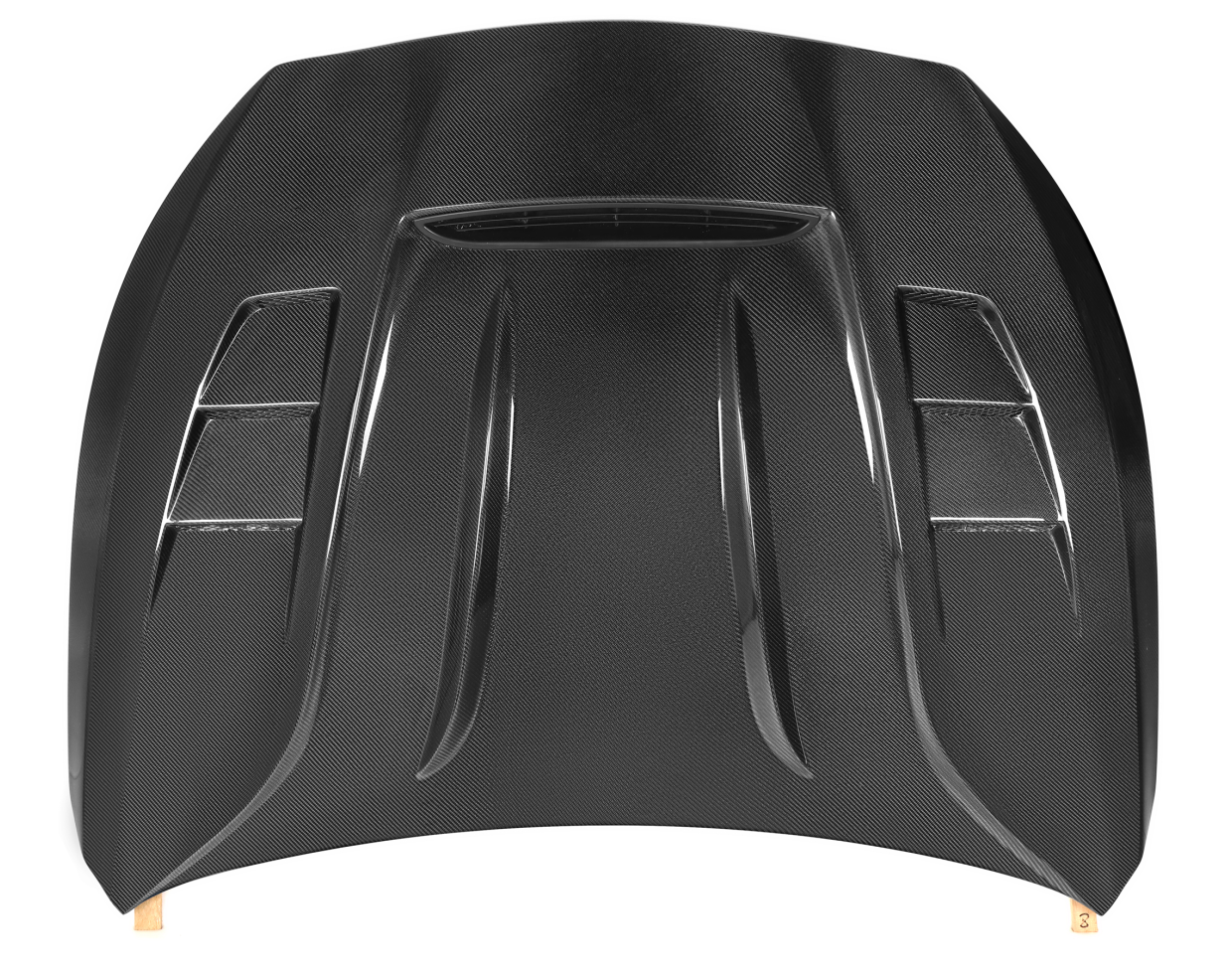
Enhanced Performance Through Advanced Car Hood Bonnet Engineering
Weight Reduction and Handling Dynamics: How Lightweight Car Hood Bonnet Materials Improve Acceleration and Cornering
When swapping out factory steel for materials like carbon fiber or aluminum on car hoods, drivers can expect front end weight reductions somewhere between 40 to maybe even 60 percent. This shift moves the vehicle's center of gravity back towards the rear wheels. The result? Better weight distribution across the chassis which makes cars respond quicker when entering corners, cuts down on that frustrating tendency to push wide during turns, and gives drivers crisper feedback from the steering wheel. Lighter rotating components mean acceleration from zero to sixty happens faster too. For race cars specifically, cutting just one kilogram off overall weight translates roughly into about 1.5 percent improvement in lap times because brakes work better and handling feels sharper through those critical middle sections of corners. Take carbon fiber hoods as an example these days they often weigh less than fifteen pounds yet deliver all that performance gain while maintaining structural integrity needed for serious driving conditions.
Thermal Management and Cooling Efficiency: Optimizing Engine Bay Ventilation for Turbo and Track-Ready Setups
Performance hoods designed with proper ventilation can cut underhood temps anywhere from 25 to 40 degrees Fahrenheit when pushing hard through corners or acceleration runs. This matters a lot for cars with turbochargers since cooler intake air means better power delivery straight from the engine bay. Those functional scoops on the hood actually work to push dense, high pressure air right at the intercooler, whereas those little vents in the back help suck out all that nasty hot air. For turbocharged setups, this typically translates into around 3 to 5 percent more reliable power gains. Track enthusiasts especially appreciate how it delays when the car starts limiting power due to overheating, plus the cooling system lasts much longer between replacements. Components like rubber hoses, various sensors, and electrical connections just don't break down as fast when they're not constantly baking in extreme heat.
Aerodynamic and Functional Advantages of a Premium Car Hood Bonnet
Downforce, Airflow Routing, and Hood Scoop Integration for High-Speed Stability
The hood isn't just for looks anymore thanks to wind tunnel testing that gives it actual aerodynamic function. Those front vents cut down on lift by around 25 percent, which means better traction for the front wheels when going fast. Meanwhile, the built-in air scoops send cold, heavy air straight to the engine's breathing system. This makes the fuel burn cleaner and cools things down inside the intake by roughly 8 to 12 degrees Celsius. All these design elements together help balance out air pressure differences along the car's body shape. The result? Less resistance from the air as it moves past the vehicle and much steadier airflow overall, something drivers can definitely feel on the road.
| Aerodynamic Feature | Functional Benefit | Performance Impact |
|---|---|---|
| Contoured Hood Lines | Reduced drag coefficient | +3–5% fuel efficiency |
| Front Vent Placement | Decreased front lift | 15–25% stability gain |
| Hood Scoop Integration | Forced-air induction | 8–12°C lower intake temps |
The result is not just higher top speeds—but greater confidence in high-speed cornering, sustained engine responsiveness, and reliable thermal management under track conditions.
Aesthetic Identity and Customization with a Premium Car Hood Bonnet

Power Bulges, Exposed Hood Pins, and Finish Options That Elevate Visual Presence
Power bulges do double duty really - they look cool but also let bigger engines or intake systems fit under the hood properly. Hood pins that stick out are another thing enthusiasts love because they give that real race car vibe and make people understand what's going on mechanically at a glance. For finishes, some folks go crazy with options like super shiny wraps, those fancy carbon fiber textures, or even dull matte paints that stand out against regular factory paint jobs. These details help create that serious, aggressive look most car fans want. And when someone matches these features with their wheel choice or adds some special trim pieces around the car, everything starts to come together visually. It's not just about looking good though; there's actual thought behind how all these parts work together as part of the overall design language.
Brand Alignment and Owner Expression: Why Style Reinforces Investment Value
A good quality hood says a lot about who owns the car and what brands they respect. Think about those Porsche-style ducktails or the power domes we see on BMWs these days. These design choices pay tribute to decades of engineering history while making the car stand out from others on the road. People who modify their cars intentionally often end up creating something unique that stands out at car shows and gatherings. Now here's something interesting: hoods that are properly integrated into the overall design actually hold about 12 percent better resale value compared to regular factory models. Makes sense when thinking about it. When the looks match what makes sense mechanically, like having a real functional scoop along with proper air vents, the hood stops being just another part. Instead, it becomes the defining feature that tells anyone looking at the car exactly what kind of story the owner wants to tell with their ride.
Long-Term Value: Durability, Safety, and Material Trade-Offs in Car Hood Bonnet Selection
Carbon Fiber vs. Aluminum vs. Steel: Longevity, Corrosion Resistance, and Real-World Maintenance
What material gets chosen really affects how long things last, what kind of maintenance they need, and ultimately costs over time. Carbon fiber stands out for its amazing strength compared to weight and it resists corrosion pretty well too. Most folks report getting around 15 years or more before needing much work, although fixing carbon fiber when damaged tends to run about 40 percent higher than metal repairs do. Aluminum is not quite as good at saving weight but still better than steel, plus it naturally fights off rust. In tough environments, aluminum parts generally hold up for about 10 to 12 years give or take. Steel stays popular because it takes dents better and starts cheaper upfront, but comes with a catch: regular undercoating every year to stop rust formation. Real world results show steel lasts anywhere between 8 and maybe 15 years depending largely on where it sits and what weather beats down on it.
| Material | Avg. Lifespan | Corrosion Resistance | Maintenance Frequency |
|---|---|---|---|
| Carbon Fiber | 15+ years | Excellent | Low |
| Aluminum | 10–12 years | Good | Moderate |
| Steel | 8–15 years | Poor (needs coating) | High |
Safety-Critical Features: Hood Pin Security, Impact Absorption, and OEM Crash Compliance
When it comes to high speed driving safety, secondary hood pins really aren't optional anymore. According to NHTSA research, these pins cut down on serious bonnet detachment incidents by about 27%, which makes them worth considering for anyone concerned about vehicle safety. Performance oriented hoods today come with built in crumple zones designed specifically to soak up impact forces while still meeting those strict pedestrian protection standards set by original equipment manufacturers. And before installing any after market parts, make sure they actually meet the FMVSS 113 requirements regarding latch retention. This isn't just about following rules either; proper compliance ensures everything stays intact during crashes and works together as intended when safety matters most.
FAQ
What are the benefits of switching to a carbon fiber car hood?
Switching to a carbon fiber car hood can significantly reduce the weight of the vehicle's front end, improving weight distribution and handling dynamics. It also enhances acceleration and provides better performance due to its lightweight nature while maintaining structural integrity needed for serious driving conditions.
How does hood ventilation impact engine performance?
Proper hood ventilation optimizes engine bay cooling by reducing underhood temperatures, which is crucial for turbocharged engines. It helps in better power delivery and improves the reliability of power gains by keeping intake air cooler.
What are the aesthetic benefits of a custom car hood bonnet?
A custom car hood bonnet enhances the car's aesthetic appeal with features like power bulges, exposed hood pins, and various finish options. These elements not only improve visual presence but also align with the car's overall design language.
Which material is best for a durable and corrosion-resistant car hood?
Carbon fiber is known for its strength-to-weight ratio and excellent corrosion resistance, making it a top choice for durability. Aluminum also offers good corrosion resistance but requires less maintenance compared to steel, which needs regular undercoating to prevent rust.