
 EN
EN
 AR
AR
 BG
BG
 CS
CS
 FR
FR
 DE
DE
 EL
EL
 IT
IT
 JA
JA
 KO
KO
 NO
NO
 PL
PL
 PT
PT
 RU
RU
 ES
ES
 TL
TL
 ID
ID
 SR
SR
 SK
SK
 TH
TH
 TR
TR
 MS
MS
 KA
KA
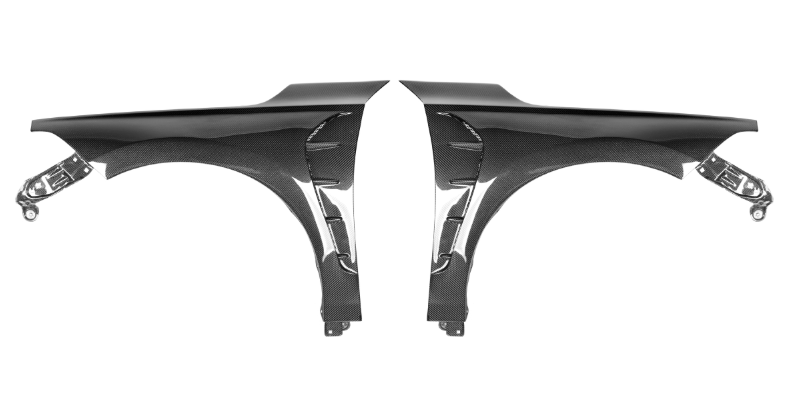
The Visual Authority of Carbon Fiber Car Fenders
Why Carbon Fiber Instantly Elevates Perceived Vehicle Value
Carbon fiber fenders can turn regular cars into something special because people associate them with high performance and cutting-edge tech. The visible weave pattern makes buyers think of race tracks and space shuttles, which apparently boosts perceived value by around 15 to 20 percent based on last year's Luxury Vehicle Materials study. This connection isn't new either. Carbon parts first showed up in top-tier racing series like Formula 1 back in the day before making their way into consumer vehicles. What makes these fenders so expensive? Well, they take longer to produce and require specialized manufacturing techniques that just aren't feasible for regular steel parts. And when sunlight hits those woven fibers, it creates this amazing effect that screams technological advancement to anyone who sees it. Car fans and collectors really respond to this kind of visual storytelling about engineering progress.
How Light Interaction with the Carbon Weave Creates Depth and Dimension
Sunlight transforms carbon fiber fenders into dynamic canvases through anisotropic reflection—an optical property where light refracts differently across warp and weft intersections. This phenomenon creates three key visual effects:
- Micro-shadow play: The 3D texture casts microscopic shadows within weave valleys, amplifying depth perception
- Directional luminosity: Thread bundles reflect light at varying intensities depending on viewing angle
- Contrast enhancement: Dark carbon threads intensify adjacent resin highlights, sharpening definition
Regular monochrome paint tends to soak up around 85% of the light that hits it according to Automotive Finishes Journal from last year. Carbon on the other hand has this rough texture that actually bounces light around in all sorts of directions through different angles. What happens next is pretty interesting for car designers. These fenders start looking three-dimensional almost like sculptures instead of just being flat surfaces. When cars are moving, something cool takes place visually too. The fenders seem to switch back and forth between a dull finish and shiny spots, turning what would normally be boring metal panels into something that feels alive and constantly changing as people drive past.
Vented Design and Finish Options: Performance-Driven Styling Cues
From Track to Street: How Vented Car Fenders Signal Intent Without Compromising Refinement
Car fenders with vents basically transform how air moves around the vehicle into something people can actually see as performance features. The little openings help push messy air out from around the wheels, which cuts down on lift when going fast and makes cars more stable at highway speeds, something that matters a lot on race tracks. Car makers have gotten pretty good at hiding these functions though. They design the edges so they taper nicely and fit just right like factory parts should. This careful approach stops them from looking like those cheap after-market additions everyone hates. Instead, these fender vents show that someone actually thought about aerodynamics during design time, yet still keep the car looking nice enough for regular streets. So we get real performance benefits without sacrificing looks.
Gloss vs. Matte Carbon Finishes – Balancing Aggression and Sophistication
The choice of finish completely changes how a carbon fiber fender looks and feels. Glossy treatments make the weave reflect light in a way that creates this amazing liquid effect, really highlighting the craftsmanship behind it all. Matte options work differently though. They soak up more light, giving off that stealthy vibe and practical road presence. These hides small scratches pretty well but just don't have the same depth as glossy ones. Gloss shows off every single detail, which is great when wanting to show off precision work, but comes at a cost. Those shiny surfaces need constant care to prevent those annoying swirl marks. Most car enthusiasts go for matte because it lasts longer without looking beat up. Luxury brands typically stick with gloss though, since nothing says premium like that jewelry store shine. Interestingly enough, both types hold up structurally just the same, so what we see on the outside doesn't actually affect how strong or functional the part really is.
Weave Pattern as Design Language: Twill, Plain, and Visual Perception
2x2 Twill vs. Plain Weave – How Scale and Rhythm Influence Sportiness and Premiumness
Weave patterns act like visual language that shapes how we perceive cars. Take the 2x2 twill weave for example. The threads go over two and under two, creating that distinctive diagonal look everyone knows as herringbone. This pattern has real movement to it, which gives off aggressive vibes and connects to racing heritage. That's why so many performance car enthusiasts gravitate toward it. On the flip side, the plain weave (that's the 1x1 version) creates a neat checkerboard pattern where each thread just alternates over and under. The smaller scale and balanced appearance feels precise and controlled, something luxury customers appreciate when they want subtle sophistication. Research backs up these perceptions too. A study found people saw twill patterns as about 34% more aggressive, while plain weaves got marked as 41% more refined and exclusive according to Automotive Design Journal last year. Car makers know this stuff works on our psychology, so they put those bold twill designs on sporty parts like track-inspired fenders, but save the clean plain weaves for their top-end models. And interestingly enough, both types actually perform the same structurally. So what we're really talking about here is emotion and style, not engineering differences.
Carbon Fiber Car Fenders vs. OEM: Aesthetic Impact, Weight, and Design Freedom
When it comes to car fenders, carbon fiber options offer some serious benefits compared to those standard steel ones from the factory. The look alone makes a difference. Those woven patterns and glossy finishes just stand out in a way no mass-produced part ever could. And then there's the weight factor. Carbon fiber fenders typically weigh between half to two-thirds less than their steel counterparts according to industry data. Lighter means faster acceleration, better stops, and sharper turns around corners. But what really sets them apart is how they open up new possibilities for design. Manufacturers can now create vents, add airflow features, and shape curves that would be impossible with traditional metal stamping techniques. All these improvements come together to make cars not only look better but handle better too, while still keeping everything solid and safe on the road.
FAQ
Why are carbon fiber fenders more expensive than regular ones?
Carbon fiber fenders are more expensive due to the specialized manufacturing techniques required and the longer production time compared to regular steel parts.
Do carbon fiber fenders weigh less than steel fenders?
Yes, carbon fiber fenders typically weigh between half to two-thirds less than steel fenders, offering faster acceleration and better handling.
What are the benefits of vented car fenders?
Vented car fenders improve aerodynamic efficiency by pushing air away from the wheels, reducing lift and increasing stability, especially at high speeds.
How do gloss and matte carbon finishes differ?
Gloss finishes reflect more light, showing off details and requiring more maintenance, while matte finishes absorb light, hiding scratches and offering a stealthy appearance.