
 EN
EN
 AR
AR
 BG
BG
 CS
CS
 FR
FR
 DE
DE
 EL
EL
 IT
IT
 JA
JA
 KO
KO
 NO
NO
 PL
PL
 PT
PT
 RU
RU
 ES
ES
 TL
TL
 ID
ID
 SR
SR
 SK
SK
 TH
TH
 TR
TR
 MS
MS
 KA
KA
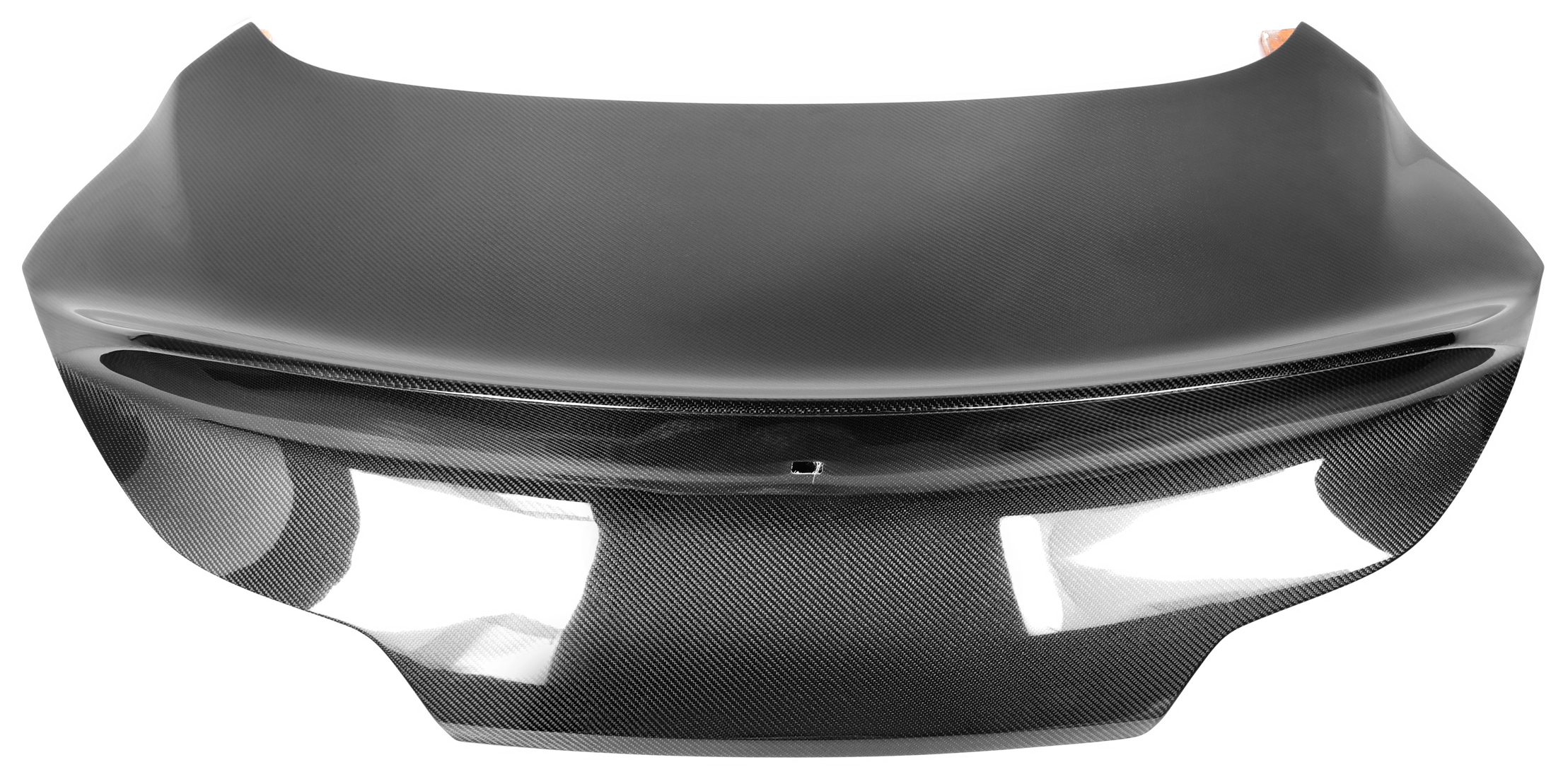
Material Selection: Balancing Strength, Weight, and Corrosion Resistance in Car Trunk Lid Construction
Lightweight Composites vs. Steel: Impact on Structural Integrity and Lifecycle Durability
When picking materials for car trunk lids, automakers have to weigh several important factors against each other. Most still go with high strength steel because it really stands up well to impacts and protects against dents, which is super important when protecting stuff inside during accidents. But there's a downside too. Steel is heavy, putting extra strain on the hinges and cutting down on gas mileage somewhere around 2 to 4 percent according to research from SAE International. On the flip side, advanced materials such as carbon fiber reinforced polymers can cut weight by about half compared to steel without sacrificing tensile strength. However, these composites come with their own problems. They tend to degrade faster under sunlight exposure and repairs after collisions become much more complicated. Testing has shown regular steel can handle over 100 thousand opening and closing cycles before showing any real wear, whereas even the best composite options need special resins just to get close to 80 thousand cycles. So what works best depends largely on what matters most in a particular vehicle design. For maximum crash protection, steel wins hands down. But if saving fuel and creating better storage space are priorities, many manufacturers are turning to composites or mixing them with steel underneath for the best of both worlds.
| Material Property | High-Strength Steel | Advanced Composites |
|---|---|---|
| Weight Reduction | 0–15% via thinning | 40–60% |
| Impact Resistance | Excellent | Moderate (requires layering) |
| Fatigue Life | 100,000+ cycles | 80,000+ cycles (optimized) |
| Repairability | Standard procedures | Specialized facilities |
Advanced Coatings and Corrosion-Resistant Alloys for Long-Term Car Trunk Lid Reliability
When it comes to protecting against corrosion, everything begins with what sits beneath the surface. Take aluminum-magnesium alloys for instance. These materials have become really popular in areas near coasts and places where roads get de-iced during winter. Testing shows they cut down on rust penetration pretty dramatically, around 70% according to salt spray tests. The process typically involves applying cathodic electrocoating first, then adding several layers of polymer finish that create tiny barriers against moisture intrusion. Some of the toughest protection systems actually mix zinc-nickel undercoats with topcoats infused with ceramics. This combination has been shown to last well over 12 years when put through NACE TM0172 testing standards, which is about three times longer than traditional paint jobs can manage. Even after extreme temperature swings from minus 40 degrees Celsius all the way up to 80 degrees, these special coatings stick around where regular finishes would just start cracking or peeling off. Steel trunk lids still rely heavily on hot dip galvanization as their base layer, with those thin zinc coatings (around 10-12 microns thick) doing a decent job at fighting off electrochemical corrosion. We're seeing more manufacturers incorporate self healing polymers into their topcoats too. When there's a scratch, microcapsules within the coating release certain chemicals that help repair small damages before they turn into bigger problems. After all, minor scratches remain one of the main ways corrosion gets started in the first place.
Critical Functional Components That Ensure Consistent Car Trunk Lid Performance
Hinges and Strikers: Engineering for Load Distribution and Alignment Stability Over Time
For hinges to work properly, they need to spread weight across the entire trunk frame so parts don't bend, twist, or shift out of place as time goes on. When manufacturers use high quality steel or specially treated aluminum, these materials stay stable even when subjected to repeated stress from opening and closing. The striker components are machined with extreme accuracy too, which keeps doors locking correctly no matter how many times they're used – sometimes well past 100 thousand operations without issues. Special protective layers like zinc nickel plating or combinations of ceramics and polymers help keep hinges functioning smoothly for years despite weather conditions outside. What happens if weight isn't distributed right? Studies show wear increases about 40% faster in those cases. That's why modern car makers have started incorporating better designs into their hinges, things like extra strong attachment points and specially shaped pivots that reduce stress concentrations where problems typically start.
Latches, Locks, and Gas Springs: Validating 100,000+ Cycle Reliability in Real-World Use
Testing electromechanical latches happens fast these days across some pretty tough conditions. We're talking temps from -40 degrees Celsius all the way up to 85, plus lots of humidity and vibrations according to ISO 16750-3 standards. The goal? Make sure they work reliably even when things get rough on the road. For gas springs, it's not enough to just measure how hard they push up. Top electric car makers want them to stay consistent too. Their specs demand less than 5% variation in force strength after fifteen long years on the job, and they actually test this through over 100 thousand door opening and closing motions. When electronics go down, mechanical overrides step in as backup systems. Manufacturers also check for dust getting inside, resistance to salt water damage, and run EMC tests to keep everything working smoothly despite all that electrical interference and nasty weather conditions vehicles face daily.
Integrated Design Strategies That Unify Car Trunk Lid Durability with User-Centric Functionality
The real strength of durable trunk lids comes from how everything works together, not just picking strong materials here and there. Big car makers actually build corrosion fighting metals right into the hinges themselves and strengthen those mounting spots so the whole lid can handle stress better. This helps prevent bending even after hundreds of thousands of openings and closings. At the same time, they fine tune those gas springs so people can open the trunk easily with just one hand, no matter what kind of stuff is inside. The seal stays tight against rain, dirt, and all that road junk getting kicked up. And this approach works well with automated features too. These manufacturers install water resistant sensors and properly rated motor parts that let drivers open the trunk without touching anything while still meeting safety standards for crashes and protecting pedestrians. When companies think about both how long something will last and how people actually use it from day one, instead of adding convenience features later, they end up making trunk lids that keep working perfectly and staying safe for more than ten years of regular driving.
Testing, Standards, and OEM Validation Protocols for Car Trunk Lid Systems
Environmental Stress Testing: Thermal Cycling, Salt Spray, and UV Exposure Simulations
Car manufacturers run tests that fast forward years of real world conditions using special environmental simulations. For instance, they subject car trunks to extreme temperatures ranging from minus 40 degrees Celsius all the way up to plus 85 degrees Celsius repeatedly hundreds of times. This helps them spot weak spots in materials, glues, and sealing compounds where parts might eventually fail. When it comes to checking against rust, salt spray tests following the SAE J2334 standard show how well new metal blends and protective coatings hold up. Most modern treatments can last over 1,500 hours before any signs of red rust appear. To make sure plastic parts don't crack or fade, they also expose gaskets, body trim, and composite panels to intense UV light for more than 3,000 hours. All these rigorous checks ensure cars maintain both their strength and appearance no matter what kind of weather they face around the world.
Regulatory Compliance and Crash Safety Considerations for Rear Trunk Lid Integration
Car trunk lids need to comply with those FMVSS 401 regulations regarding interior impacts. Basically, manufacturers have to build in structures that can absorb energy so head injury criteria (HIC) scores stay below 1,000 when there's a rear collision. For pedestrian safety, cars feature controlled deformation areas usually built into how the outer panels curve and backed with special foam materials. These parts help soak up the kinetic energy from impacts while keeping forces from getting too intense. The gas struts on trunks get tested for over 100,000 cycles just to make sure they'll work reliably when someone needs to open the trunk quickly during emergencies. And electronic latches go through complete electromagnetic compatibility testing too. This ensures that even with all the electrical noise from modern car systems like drivetrains and entertainment setups, the latching mechanism still works properly without fail in actual driving conditions.
FAQ
What are the primary materials used for car trunk lids?
Car trunk lids primarily use high-strength steel or advanced composites like carbon fiber reinforced polymers, each with distinct advantages and disadvantages.
Why is high-strength steel commonly used in trunk lids?
High-strength steel is favored for its excellent impact resistance and durability, though it is heavier than composite materials.
What are advanced composites, and why are they considered for trunk lids?
Advanced composites, such as carbon fiber reinforced polymers, offer significant weight reduction and comparable tensile strength to steel, but may degrade faster under sun exposure.
How do materials impact the fuel efficiency of vehicles?
Using lighter materials like composites can improve fuel efficiency by reducing vehicle weight, thereby decreasing fuel consumption by approximately 2 to 4 percent.
What measures are used to protect against corrosion in trunk lids?
Protection against corrosion involves using materials such as aluminum-magnesium alloys, special electrocoating processes, zinc-nickel coatings, and self-healing polymers.
How do manufacturers ensure the durability of trunk lid components?
Manufacturers conduct extensive testing in simulated environments to assess durability, including testing for temperature fluctuations, salt spray exposure, and UV resistance.
Table of Contents
- Material Selection: Balancing Strength, Weight, and Corrosion Resistance in Car Trunk Lid Construction
- Critical Functional Components That Ensure Consistent Car Trunk Lid Performance
- Integrated Design Strategies That Unify Car Trunk Lid Durability with User-Centric Functionality
- Testing, Standards, and OEM Validation Protocols for Car Trunk Lid Systems
-
FAQ
- What are the primary materials used for car trunk lids?
- Why is high-strength steel commonly used in trunk lids?
- What are advanced composites, and why are they considered for trunk lids?
- How do materials impact the fuel efficiency of vehicles?
- What measures are used to protect against corrosion in trunk lids?
- How do manufacturers ensure the durability of trunk lid components?