
 EN
EN
 AR
AR
 BG
BG
 CS
CS
 FR
FR
 DE
DE
 EL
EL
 IT
IT
 JA
JA
 KO
KO
 NO
NO
 PL
PL
 PT
PT
 RU
RU
 ES
ES
 TL
TL
 ID
ID
 SR
SR
 SK
SK
 TH
TH
 TR
TR
 MS
MS
 KA
KA
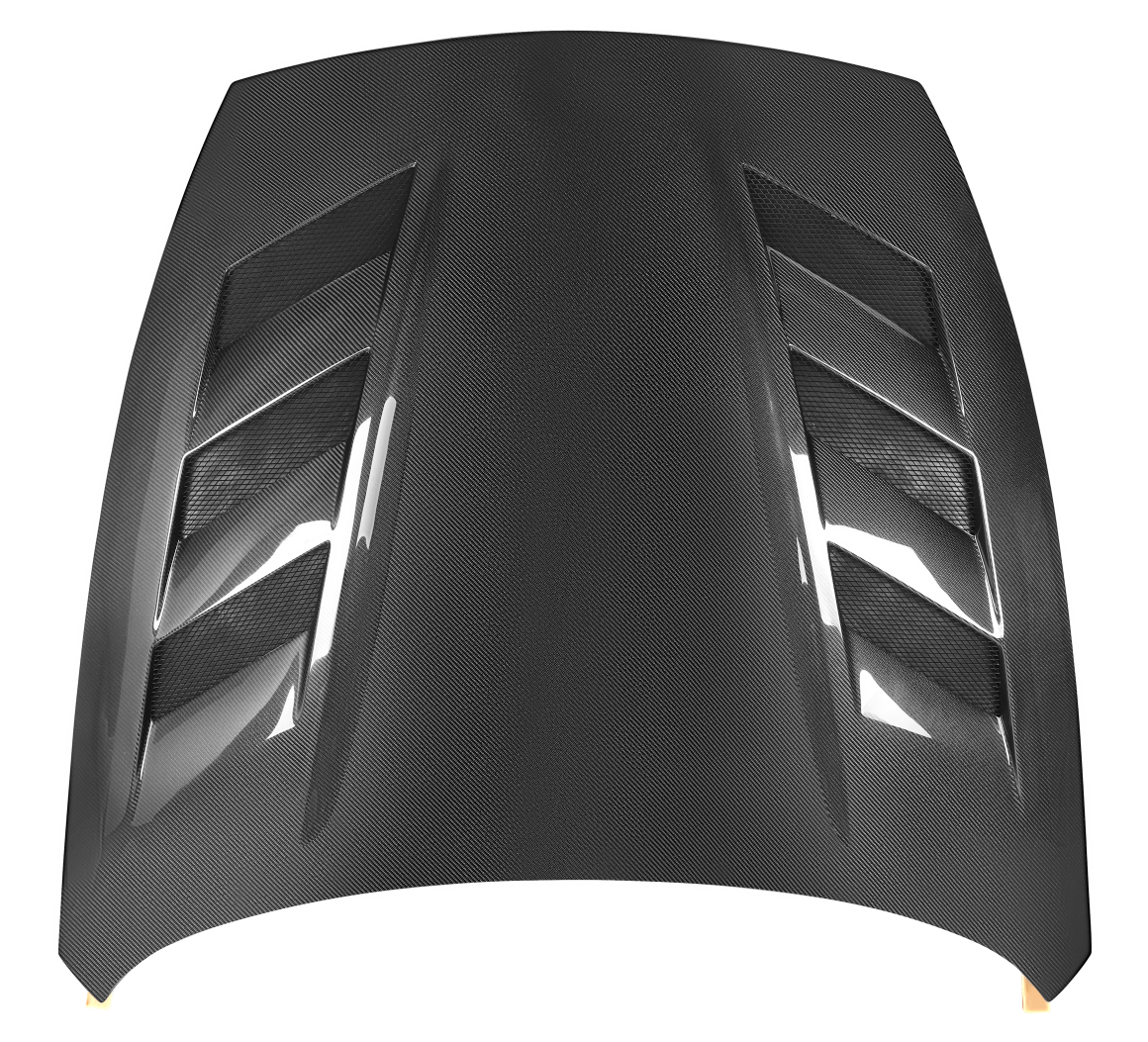
Car Hood Bonnet Angle and Its Impact on Aerodynamic Drag
How Hood Inclination Alters Pressure Distribution and Flow Separation
How steep or flat a car hood is makes a big difference in how air moves over the front of the vehicle. Hoods that are flatter than about 10 degrees tend to create smoother airflow because they reduce those pesky pressure changes that mess things up. But when hoods slope upward more sharply, the air speeds up right at the bottom of the windshield area. This creates little pockets of low pressure that cause the air to detach from the car's surface way before it should. Once this happens, all sorts of turbulence starts forming behind the car. These swirling air patterns actually make the car drag through the air more and can even lift the back end slightly, which isn't good for keeping tires planted on the road when going over 100 km/h. Studies indicate that cars with 15 degree hood angles experience roughly 12% more drag than similar vehicles with just 5 degree hoods, mainly because the airflow separates from the body much sooner.
CFD-Validated Optimal Angles for Sedans vs. SUVs
Looking at Computational Fluid Dynamics (CFD) simulations shows how different car types need specific angle adjustments for optimal performance. For sedans, the sweet spot seems to be around 5 to 8 degrees on the hood angle. This helps reduce air resistance while still generating enough downward force for stability. Things get trickier with SUVs though. Their design needs steeper angles, usually between 10 and 12 degrees, because they have higher front sections and must comply with pedestrian safety standards. But there's a tradeoff here. The drag coefficient increases by about 0.04 to 0.06 compared to what we see in sedans. These differences matter a lot when automotive engineers are trying to balance performance against real world driving conditions.
| Vehicle Type | Optimal Angle Range | Drag Coefficient (Cd) | Separation Risk Threshold |
|---|---|---|---|
| Sedan | 5°–8° | 0.26–0.28 | 9° |
| SUV | 10°–12° | 0.30–0.34 | 14° |
Exceeding these thresholds increases energy losses by 7–11% in sedans and 4–8% in SUVs due to turbulent flow regimes. Emerging active hood systems dynamically adjust angle to sustain optimal conditions across speed ranges.
Functional Aerodynamics: Vents, NACA Ducts, and Underhood Air Management
NACA Duct Efficiency in Reducing Underhood Temperature and Cooling Drag
NACA ducts, which were first created for airplanes back in the day, actually work better aerodynamically than those regular hood scoops we see on cars today. These ducts have this sleek shape that pulls in cool air without messing up the airflow around them. Tests show they cut down pressure drag somewhere around 15%, and can drop engine compartment temps anywhere from about 20 degrees all the way to maybe 35 Celsius. What this does is tackle what's called cooling drag. That's basically when hot air escapes through areas where there's already high pressure, creating extra resistance. When properly designed, these NACA openings can bring overall car drag down between 2 and 4 percent, plus make radiators work roughly 18% more efficiently according to some research published in an SAE technical paper last year.
Vent Placement Trade-offs: Balancing Drag Penalty, Lift Control, and Thermal Performance
Strategic vent placement resolves competing aerodynamic priorities:
- Front-quarter vents reduce front-end lift by routing high-pressure air over the windshield—but risk increasing drag if flow separates upstream.
- Rear-facing louvers near the windshield base leverage low-pressure zones for efficient heat extraction, though poorly tuned designs may generate vortices affecting rear downforce.
- A-pillar vents help minimize front axle lift but require CFD validation to avoid turbulent interference with side mirrors.
Misaligned vents can raise Cd by 0.03 and lift by 12%; optimized configurations deliver net cooling gains of 22% without aerodynamic penalty.
Integrated Front-End Aerodynamics: Car Hood Bonnet Shape and System-Level Interaction
How Hood Contour Amplifies or Limits Air Dam and Grille Flow Management
The shape of a car's hood really matters when it comes to how air moves around related parts such as air dams and grilles. When the hood has a smooth slope that tapers gradually, it helps speed up the air flowing over the top of the car. This works well with the grille openings to pull cool air into the engine compartment while keeping the airflow from breaking away too soon. On the flip side, if there are sharp changes at the front edge of the hood, they create messy swirls of air that mess up what the air dam is trying to do. These disruptions can actually increase lift forces on the car by about 12 percent. Good hood designs create just the right pressure differences that let air flow smoothly past the wheels and improve how well the undercarriage diffusers work. But designers need to watch out for radiator issues too. Some tests show that curved hood surfaces can cut down drag coefficient (Cd) numbers by 0.03 points without affecting how hot things get inside the engine area. Finding this balance between looks and functionality remains a challenge for automotive engineers working on aerodynamics.
Real-World Validation: Car Hood Bonnet Design Strategies in High-Performance and EV Applications
Tesla Model S Plaid vs. Porsche Taycan: Contrasting Hood Geometry Approaches to Cd Reduction
Car makers designing electric vehicles take very different approaches when shaping their hoods to cut wind resistance. Take the Tesla Model S Plaid for instance it has this super flat hood with almost no curves, which helps it reach an impressive drag coefficient of 0.208 making it one of the slipperiest cars around today. On the other hand, Porsche went a completely different route with the Taycan. They gave it a more dramatic shape that tapers back towards the rear, focusing not just on reducing drag but also creating better downforce and managing heat flow through the engine area. Tests in wind tunnels show these innovative designs can actually lower overall drag by somewhere between 6% and 9% compared to older models. But what really stands out is how each design interacts differently with air flowing over the windshield and those vertical pillars at the front corners of the car.
Does Aggressive Hood Sculpting Compromise Local Flow Stability?
Sculpted hoods definitely boost downforce for better handling, but there's a catch when it comes to turbulence issues around the cowl area. Computational fluid dynamics tests actually reveal turbulence levels jump by about 15% at typical highway speeds in those spots. What does this mean? More road noise inside the cabin and less effective engine cooling. To fix these problems, automotive engineers have developed several tricks. They use things like tiny vortex generators that create controlled turbulence patterns, plus careful sealing work under the hood to manage airflow. When tested in real wind tunnels, these methods keep smooth laminar flow on roughly 8 out of 10 points across most hood surfaces. Still, manufacturers continue tweaking designs because even small improvements matter when every percentage counts in performance racing.
FAQ Section
Why does the hood angle affect aerodynamic drag?
The hood angle affects aerodynamic drag because it influences the pressure distribution over the car. When the hood angle is too steep, pockets of low pressure form, causing air separation and turbulence, which increases drag.
What are the optimal hood angle ranges for different car types?
Sedans perform best with hood angles between 5 and 8 degrees, while SUVs require steeper angles between 10 and 12 degrees due to their design and safety requirements.
What is the role of NACA ducts in cars?
NACA ducts help reduce underhood temperatures and cooling drag by efficiently channeling air into the engine compartment without disturbing the surrounding airflow.
How do vents affect car aerodynamics and thermal performance?
Strategically placed vents can reduce drag and lift while improving thermal performance, but misaligned vents may increase the drag coefficient and impact vehicle dynamics.
Table of Contents
- Car Hood Bonnet Angle and Its Impact on Aerodynamic Drag
- Functional Aerodynamics: Vents, NACA Ducts, and Underhood Air Management
- Integrated Front-End Aerodynamics: Car Hood Bonnet Shape and System-Level Interaction
- Real-World Validation: Car Hood Bonnet Design Strategies in High-Performance and EV Applications
- FAQ Section