
 EN
EN
 AR
AR
 BG
BG
 CS
CS
 FR
FR
 DE
DE
 EL
EL
 IT
IT
 JA
JA
 KO
KO
 NO
NO
 PL
PL
 PT
PT
 RU
RU
 ES
ES
 TL
TL
 ID
ID
 SR
SR
 SK
SK
 TH
TH
 TR
TR
 MS
MS
 KA
KA
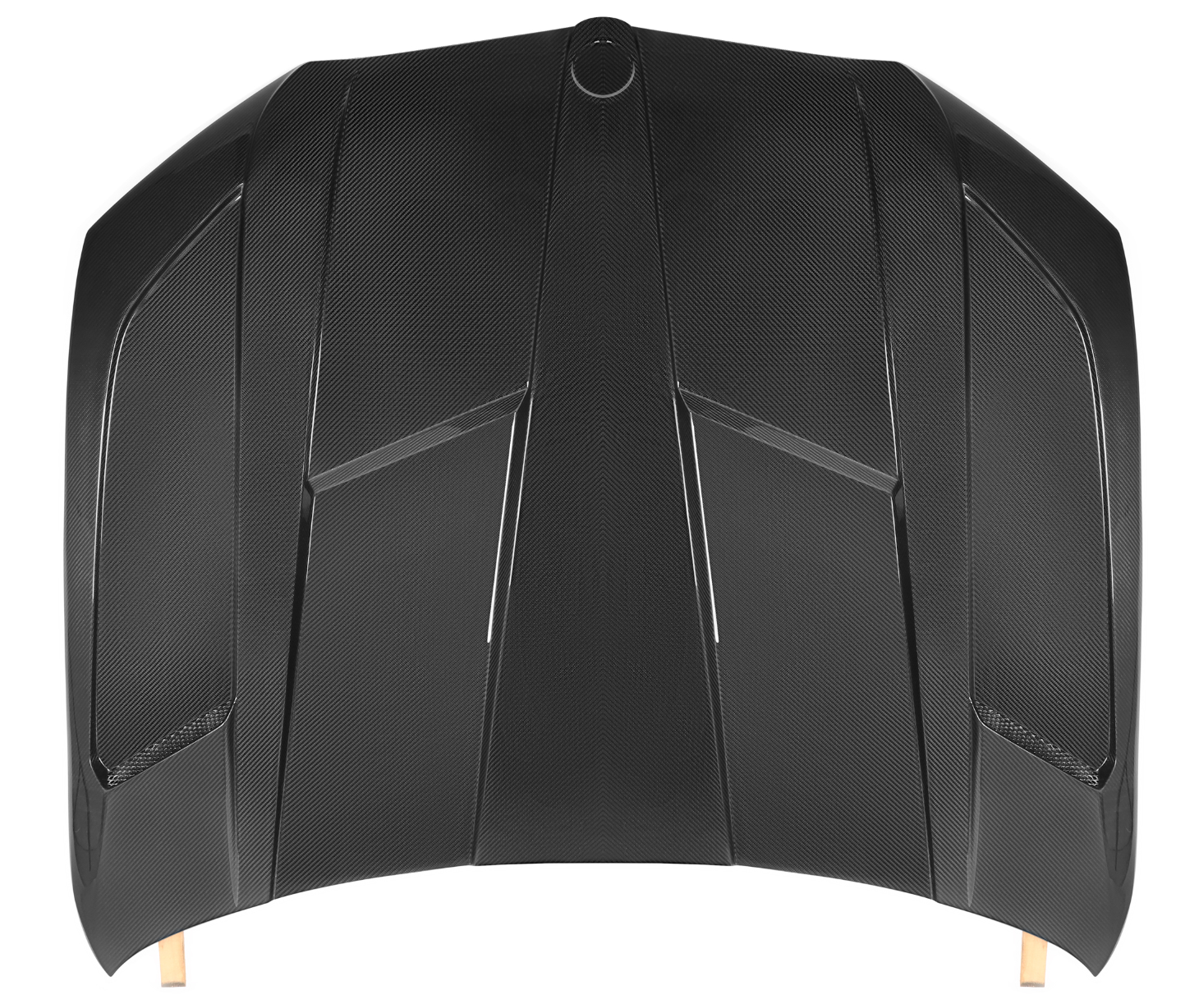
Why Material Choice Matters for Car Hood Bonnets
The material chosen for car hoods has a big impact on how well vehicles perform, their safety record, how long they last, and what owners end up paying over time. When manufacturers switch from regular steel to lighter options such as aluminum or carbon fiber, cars become significantly lighter - around 30 to 50 percent lighter actually. This makes them more fuel efficient too, with some tests showing improvements between 4 and 8 percent better mileage. Handling gets better at higher speeds as well. Looking beyond just weight considerations, the type of material used plays a major role in crashworthiness. New composite materials can soak up about 40% more force during collisions compared to standard steel. They also help meet those tough pedestrian protection standards worldwide because they deform gradually instead of snapping suddenly when impacted.
The durability needs change a lot depending on where something is used. For instance, parts near the coast need materials that won't rust easily, whereas out in the desert, manufacturers look for plastics that can handle intense sun exposure without bending or breaking over time. How stiff a material is matters too because it impacts how air flows around the vehicle and how well it blocks engine noise inside the cabin. Looking at repair bills tells another story entirely. Carbon fiber hoods typically run about $740 to fix according to Ponemon Institute data from last year, compared to roughly $2,500 when replacing steel ones. That big difference comes down to how complicated repairs are and whether replacement parts are readily available. At the end of the day, choosing what goes into making a hood involves weighing several factors against each other. Lighter materials save fuel but may not protect as well during collisions. Some materials hold up better against harsh weather conditions but might not last as long economically speaking. Finding that sweet spot between all these considerations determines what makes it onto production lines.
Carbon Fiber, Aluminum, and Steel: Performance Comparison for Car Hood Bonnets
Strength-to-weight ratio and structural rigidity
What materials get used makes a big difference in how well things perform overall. Take carbon fiber for example it's got this amazing strength compared to its weight, usually coming in around 10 to 20 pounds for a car hood. That helps cars accelerate faster and burn less gas while still keeping everything nice and stiff. Steel on the other hand weighs much more, somewhere between 40 and 60 pounds. Sure it can handle heavy loads but all that extra weight at the front end messes with how the car handles, especially when weight distribution matters so much. Aluminum falls right in between at about 20 to 30 pounds. It cuts down on weight decently without breaking the bank too badly. Plus mechanics can work on aluminum parts easier than carbon fiber which is why many manufacturers stick with it despite not being as light as possible.
Key distinctions include:
- Carbon fiber's woven architecture distributes stress evenly and resists permanent deformation under dynamic loads
- Steel's density ensures predictable structural response but contributes disproportionately to unsprung mass
- Aluminum's malleability supports formability and repairability but may exhibit gradual fatigue-related stiffness loss over time
Impact absorption and pedestrian safety compliance
Pedestrian safety rules around the world, like EU Regulation 78/2009 and US standard FMVSS 208, demand that car hoods bend in specific ways under 25 miles per hour to reduce head injuries. Carbon fiber works really well for this purpose. The way it's made in layers means it breaks gradually, slowing down impact forces better than solid metal sheets. Steel tends to push more force back at people because it doesn't give much before breaking. Aluminum sits somewhere between these extremes, absorbing some energy but not as precisely as carbon fiber does. What matters most though is how engineers build these materials into vehicles. Even though steel, aluminum, and carbon fiber can all pass safety tests when properly designed, the real trick lies in combining material properties with smart structural choices across the whole vehicle system.
Thermal Management and Environmental Durability of Car Hood Bonnets
Heat resistance, engine bay insulation, and warping prevention
The bonnet on a car gets hit with serious heat exposure, especially inside combustion engines where temps can run between 85 and 115 degrees Celsius. Get closer to the exhaust manifold or turbocharger area and things get even hotter, sometimes past 150 degrees. Aluminum helps manage this heat better because it cools down quickly, which means less chance of warping and keeps those tight tolerances intact around delicate parts. Steel materials hold onto heat much longer though, leading to more wear from repeated heating cycles and gradual changes in shape over time. For composite hoods made with fiber reinforcement, they offer great insulation against heat but need special resins that stand up to both UV rays and high temps. Some manufacturers also apply ceramic coatings to protect these materials when exposed to constant extreme conditions. When it comes to critical gaps like the space between hood and radiator or sensors mounted on the hood itself, getting thermal management right isn't just important it's absolutely essential for proper function.
Corrosion, UV stability, and long-term weather resistance
How long materials last really depends on where they're used. Take galvanized steel for instance it starts showing signs of rust after around five to seven years when exposed to salty air near coastlines, even though it has protective coatings applied. Aluminum does something interesting by creating its own protective oxide layer against corrosion, which helps it resist damage. However, without proper UV protection through clear coats, aluminum surfaces tend to develop that chalky appearance and lose their nice finish over time. Carbon fiber might seem indestructible at first glance since the material itself doesn't react chemically. But wait there's a catch the resin that holds everything together turns yellow and becomes brittle when left in sunlight for extended periods unless special stabilizers are added during manufacturing. According to industry tests, composite car hoods generally hold up well for about ten years or more in dry desert areas, but things break down much quicker in places with lots of moisture and salt in the air.
Critical durability factors include:
- Chemical resilience: Resistance to road salts, acid rain, and industrial pollutants
- Thermal cycling tolerance: Endurance through repeated expansion/contraction phases
- Finish adhesion: Paint and primer bonding strength after prolonged thermal exposure
Salt-spray testing reveals premium aluminum alloys retain 95% structural integrity after 1,000 hours–outperforming standard steel by 40%. Climate-specific engineering is therefore essential to ensure optimal performance across environmental extremes.
Practical Considerations: Cost, Aesthetics, and Serviceability of Car Hood Bonnets
Upfront cost vs. lifetime value and resale impact
What material gets used for car parts makes a real difference in what people pay initially and how much they end up spending overall. Steel hoods are definitely the cheapest option at first glance, usually costing around 40 to 60 percent less than aluminum alternatives and anywhere from three to five times cheaper than carbon fiber models. But this lower price comes with hidden costs down the road. Steel tends to rust, needs frequent repainting, and adds extra weight that actually reduces fuel economy. Aluminum is where most folks find good value though. It cuts weight by about 30 to 50 percent compared to steel, which means better gas mileage and longer-lasting components. According to J.D. Power & Associates research from 2022, cars with aluminum parts typically sell for 15 to 20 percent more after five years on the road. Carbon fiber is obviously expensive, but there's something special about it too. These parts weigh 60 to 70 percent less than steel counterparts while looking factory fresh straight out of the box. That explains why luxury and performance vehicles keep their value so well, especially when the manufacturer installs them as original equipment rather than aftermarket additions.
Customization, finish options, and OEM integration
Hood bonnets do more than just cover engines; they actually play a big role in defining what makes a car look unique and express the personality of its owner. When it comes to materials, both steel and aluminum work well with regular automotive paints and primers, which means getting that exact factory color match is possible without too much hassle. These materials also integrate nicely with modern features like active hood lift systems and those little crash sensors everyone talks about these days. Carbon fiber takes things in another direction entirely with its eye-catching weave patterns visible on the surface. But working with carbon isn't as simple as slap on some paint. Special prep work is needed before applying any finish, plus there's this whole heat-curing process to prevent problems like soft spots or layers peeling off later. For anyone installing these aftermarket pieces, precision matters a lot. Getting those latches aligned properly, keeping panel gaps within about 3mm difference across the board, and making sure all those sensors sit exactly where they need to be isn't just about looks either it directly affects safety and how everything fits together. Some folks go even further with functional upgrades such as ceramic coatings that can cut down surface temperatures by roughly a quarter to nearly half according to tests run by manufacturers. Others add vents or scoops into their designs, but these modifications need careful planning around how air moves through the engine bay and what kind of structural support will be necessary to maintain strength without compromising performance.
Key considerations for customization:
- Paint adhesion compatibility across substrates
- Front suspension loading implications from weight distribution shifts
- Vent/scoop integration for functional airflow without compromising rigidity
- Warranty implications of non-OEM installations, particularly on advanced driver-assistance systems (ADAS)
Proper hood selection harmonizes visual preference with engineering rigor–ensuring personalization never compromises safety, performance, or long-term vehicle integrity.
FAQ
Why do manufacturers prefer carbon fiber for car hoods?
Carbon fiber offers excellent strength-to-weight ratio and impact absorption. These properties enhance vehicle performance and pedestrian safety. However, it's more expensive initially compared to steel or aluminum.
What are the benefits of aluminum hoods?
Aluminum hoods are lighter than steel, offering better fuel efficiency and performance. They also manage heat effectively, reducing the risk of warping under extreme temperatures.
How do different materials impact hood durability?
Durability varies based on environmental exposure. Aluminum creates a protective oxide layer against corrosion, while carbon fiber requires UV stabilizers to avoid resin degradation.
What factors influence the cost and resale value of car hoods?
Steel hoods are cheaper but have higher long-term costs due to rust and repainting. Aluminum offers better resale value due to its positive impact on fuel efficiency and longevity.