
 EN
EN
 AR
AR
 BG
BG
 CS
CS
 FR
FR
 DE
DE
 EL
EL
 IT
IT
 JA
JA
 KO
KO
 NO
NO
 PL
PL
 PT
PT
 RU
RU
 ES
ES
 TL
TL
 ID
ID
 SR
SR
 SK
SK
 TH
TH
 TR
TR
 MS
MS
 KA
KA
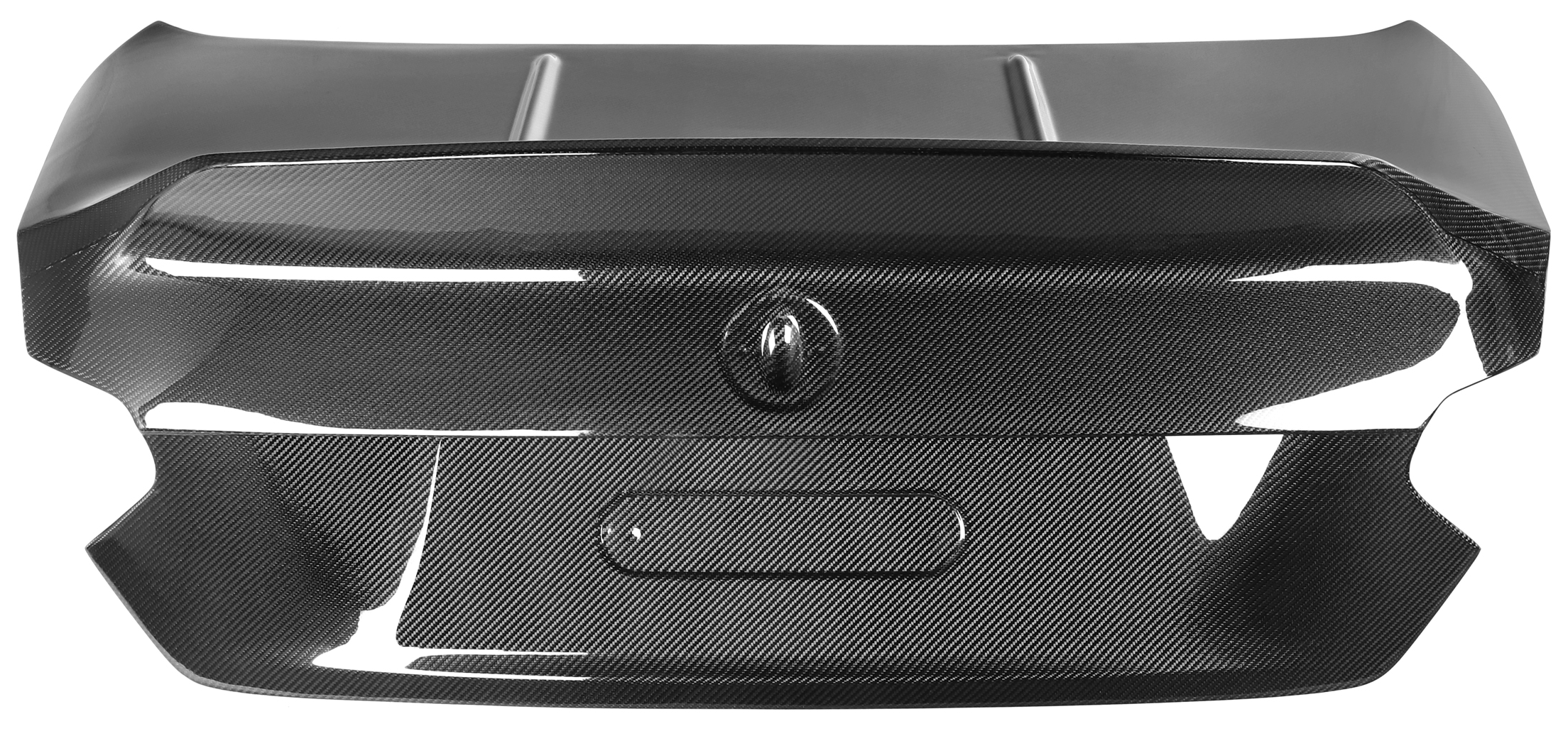
Maintain Hinges and Latches with Proper Lubrication
Proper lubrication of trunk lid hinges and latches prevents metal-on-metal friction, reducing wear and extending component lifespan by up to 70% (Automotive Maintenance Council 2023). Exposed to road debris and weather, these mechanisms rely on precise alignment—squeaking or stiffness signals imminent failure if neglected.
Best Lubricants for Car Trunk Lid Hinges and Latches
Select lubricants based on climate exposure and component type:
- Harsh environments: Marine-grade grease resists water intrusion
- Standard conditions: White lithium grease combats corrosion
- Latches/springs: Silicone spray penetrates intricate parts without attracting dust
Avoid petroleum-based oils, which degrade rubber seals and collect grime. For articulating joints, synthetic formulas withstand temperature fluctuations from –22°F to 300°F, preventing seasonal stiffness.
Step-by-Step Cleaning and Lubrication Routine
- Clean: Brush debris from hinges and latches with a stiff-bristle tool
- Degrease: Apply isopropyl alcohol to dissolve old residues
- Dry: Wipe components thoroughly with a microfiber cloth
- Lubricate: Sparingly coat pivot points using a precision nozzle
- Cycle: Operate the trunk lid 10 times to distribute lubricant evenly
- Wipe excess: Remove surplus lubricant to prevent dirt accumulation
Perform this routine every six months—or after extreme weather events. Over-lubrication attracts contaminants; dripping residue indicates excessive application.
Monitor and Replace Failing Gas Struts Proactively
Gas struts are critical for safe, effortless trunk lid operation. Proactive monitoring prevents sudden failures that risk injury or damage.
Early Warning Signs of Car Trunk Lid Strut Failure
Watch for these indicators of weakening struts:
- Slow descent: Lid falls faster than normal when closing
- Uneven lifting: One side rises higher or hesitates
- Strange noises: Hissing or grinding during operation
- Sagging when open: Lid won’t stay fully raised
Ignoring these signs accelerates wear. Struts losing more than 20% of their rated lifting force typically fail within months.
How Temperature Extremes Affect Trunk Lid Support
Gas struts contain pressurized nitrogen, making them highly temperature-sensitive:
- Cold weather (–18°C / 0°F): Reduces internal pressure, weakening support by 30–40%
- Heat exposure (38°C / 100°F): Over-pressurizes struts, increasing leak risk and accelerating seal degradation
Fluid viscosity shifts also impair responsiveness. In extreme climates, inspect struts quarterly and replace every 3–5 years—temperature cycling degrades seals 50% faster than in moderate environments.
Preserve Weather Seals to Prevent Moisture Damage
Inspecting and Conditioning Car Trunk Lid Seals
Monthly inspection of trunk lid seals is important to catch any cracks, gaps, or signs of becoming brittle, particularly following extreme weather conditions when materials tend to expand or contract. Pay special attention to those tricky corners and connection points since problems usually start there first. Before doing anything else, wipe away dirt and grime using just some gentle soap mixed with water. Then apply a silicone based product to keep the rubber flexible while not harming the material over time. Cars parked in places with high humidity need these inspections every three months because moisture gets trapped and speeds up seal breakdown at around 40 percent faster than what happens in arid areas according to Automotive Preservation Journal from last year. Stay away from petroleum products altogether since they'll actually make rubber swell and crack sooner. Look instead for protectants that resist UV rays and are made specifically for car seals. Good maintenance stops water from getting inside the trunk area, which can lead to rust spots, damaged wiring systems, and even mold developing somewhere nobody wants it. All this helps extend how long the vehicle remains functional and trouble free.
Combat Corrosion on Car Trunk Lid Mechanisms
Trunk lid mechanisms get hit hard by corrosion over time. The hinges, latches, and other metal parts slowly break down because of chemical reactions caused by road salt and constant moisture exposure. Check those metal surfaces often for early signs of rust or pitting, particularly following harsh winters or when driving near the coast where salt air hangs around longer. To protect against this damage before it starts, coat vulnerable spots with epoxy or zinc primer products. These protective layers work at a microscopic level to cut down on oxidation by about 90% compared to untreated metal surfaces. Don't forget about those tricky places where water tends to collect either. Make sure drainage channels stay clear and apply some silicone lubricant to joints that move since they tend to trap moisture. If corrosion has already taken hold, start by scraping off the flaky rust bits first. Then follow up with rust converter treatments that actually change the chemistry of damaged areas instead of just covering them up. Set reminders for regular checks every six months or so, and tackle problems right away when found. This approach keeps things working properly much longer and saves money in the long run by avoiding expensive replacement costs later on.
Frequently Asked Questions
How often should I lubricate my car trunk lid hinges?
It’s recommended to lubricate your car trunk lid hinges every six months or after extreme weather events to maintain smooth operation and prevent wear.
What signs indicate my car trunk lid gas struts are failing?
Look out for signs such as a slow descent, uneven lifting, strange noises, or sagging when the trunk lid is open.
Can temperature changes affect my trunk lid gas struts?
Yes, temperature extremes can impact gas struts. Cold weather decreases internal pressure, while heat can cause over-pressurization, affecting their performance.
Why is silicone-based lubricant preferred for car trunk lid seals?
Silicone-based lubricants keep rubber flexible without causing harm, helping to preserve seals against moisture and UV damage.