
 EN
EN
 AR
AR
 BG
BG
 CS
CS
 FR
FR
 DE
DE
 EL
EL
 IT
IT
 JA
JA
 KO
KO
 NO
NO
 PL
PL
 PT
PT
 RU
RU
 ES
ES
 TL
TL
 ID
ID
 SR
SR
 SK
SK
 TH
TH
 TR
TR
 MS
MS
 KA
KA
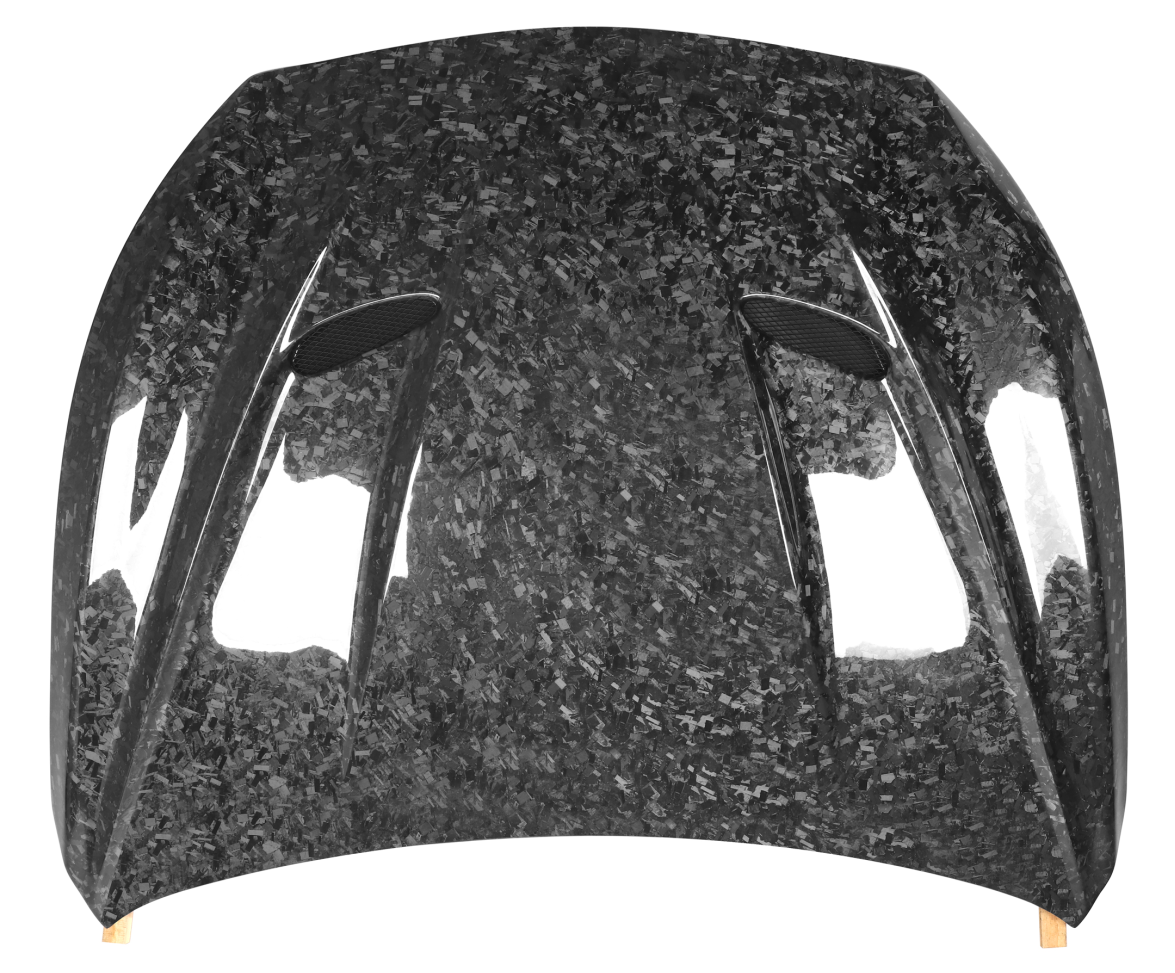
How Real Vent Mesh Car Hood Bonnets Work: Physics and Function
The thermodynamic principle: Pressure differential and convective heat transfer
Car hoods with functional vent meshes work based on basic thermodynamics, mainly relying on differences in air pressure to move heat around. When cars are moving forward, there tends to be higher pressure building up near the front part of the engine compartment. At the same time, lower pressure areas develop both above and behind the actual hood itself. What happens next? The difference between these pressures sets up a kind of natural airflow pattern. Hotter air gets forced upwards and escapes out through those specially designed hood vents we see. Cooler outside air then comes in to replace what was lost. This constant swapping helps keep things from getting too hot underneath the hood. Good design isn't simply about putting holes in random spots though. It actually needs to fit well within how the whole car handles air flow. Properly positioned and sized vents make sure maximum benefit is achieved without messing up any existing cooling mechanisms already present in modern vehicles.
Why mesh design matters — not just openings — determines real airflow efficiency
Mesh design matters a lot for how well air moves through systems, way more than just having holes cut into it. The patterns in engineered meshes are carefully calculated so around 60 to 70% of the surface area stays open. This setup helps create smooth airflow paths that push heat outward while keeping turbulence at bay and preventing those annoying boundary layer issues where air gets stuck against surfaces. What this does in practice is stop hot air from bouncing back inside the system and makes sure the extraction works better overall. The shape of the mesh actually affects how fast air travels too. Meshes with angles or tapers tend to speed things up as air passes through vents, which means better cooling performance. Denser meshes stop dirt and moisture from getting in but still let plenty of air pass through. Good mesh design turns what might seem like simple panels into sophisticated thermal management tools rather than just decorative perforations on equipment.
Real Vent Mesh vs. Decorative Vents: Identifying Functional Car Hood Bonnet Design
Key indicators of a 'real' vent mesh car hood bonnet (not cosmetic)
When it comes to vent mesh hoods, real functionality matters more than looks. The best ones have those precision cut mesh patterns made through laser or CNC processes instead of regular stamping or punching. Why does this matter? Because these advanced cutting methods give much better control over both airflow management and structural integrity. Good functional designs actually incorporate things like built-in rain trays and properly sealed edges so water doesn't get to those delicate parts inside. Placement is another key factor too. These vents need to sit where there's actual pressure buildup under the hood, not just placed symmetrically for appearance sake. Top quality manufacturers will usually show some kind of CFD analysis data showing exactly how their particular design helps pull heat out effectively while keeping the car balanced aerodynamically. That kind of detailed information speaks volumes about whether someone really knows what they're doing from an engineering standpoint.
Material, mesh density, and underhood integration: What enables actual heat dissipation?
How well a system dissipates heat really comes down to three main things: what it's made of, how open the mesh is, and how everything fits together. Materials matter a lot here. Aluminum works better than steel for keeping things cool because it conducts heat away faster. Carbon fiber composites are also good choices for lightweight applications. When talking about mesh, finding the right balance between letting air through and keeping out dirt is tricky business. If the mesh is too tight, airflow gets blocked. Too loose and all sorts of junk gets in. Most experts agree around 60 to 70 percent open space tends to work pretty well in practice. The vent itself needs to attach properly to where the factory put mounting points and sealing systems. Get this wrong and even great designs start causing problems like unwanted lift forces or water getting inside the vehicle. That messes with both how well the car performs and how reliable it stays over time. For a vent to actually function correctly, it has to play nicely within the entire thermal management system already built into the car.
Measured Performance Impact: Do Vent Mesh Car Hood Bonnets Lower Engine Bay Temperatures?
Dynamometer and track data: Quantifying temperature reduction under load
Testing on dynos and actual race tracks shows that vented mesh hoods really do cut down on engine compartment temps. When engines are pushed hard for long periods, like during those high RPM stretches or when accelerating repeatedly, these vent systems typically bring temperatures down between 12 to 18 degrees Celsius, which translates to about 22 to 32 degrees Fahrenheit cooler than regular sealed hoods. The biggest difference becomes apparent after extended track sessions or drag racing events where heat builds up inside the engine area. What we see here is that properly designed vents actually work by creating airflow paths that push out hot air instead of letting it accumulate. This matters because excessive heat doesn't just make things uncomfortable for drivers, it also wears out parts faster and can seriously affect how an engine performs under stress conditions.
Secondary benefits: Turbocharger response, intercooler efficiency, and ECU stability
Functional vents do more than just bring down temperatures around the engine bay. When things get cooler under the hood, turbochargers actually respond better because there's less heat buildup in those compressor housings and intake pipes. This means turbos spin up faster and the air coming into the engine is denser too. Intercoolers work at their best when they don't have to fight high ambient temperatures either. They keep that charge air dense enough so we don't lose power unexpectedly. And let's not forget about all those electronic control units (ECUs) and sensors scattered around. These components need to stay within certain temperature limits to function properly. If they overheat, cars start messing with timing settings or even go into limp mode to protect themselves. All these factors together mean better throttle response when needed, more consistent power delivery, and engines that last longer through all that hard driving most enthusiasts love so much.
Strategic Integration: Optimizing Car Hood Bonnet Vent Placement for Maximum Cooling
Front scoops vs. rear extractors: CFD-validated airflow paths
Getting vent placement right matters a lot, and most engineers these days rely on computational fluid dynamics (CFD) to check their work. The front mounted scoops basically serve as high pressure intakes that push cool air into the engine compartment, directing it toward parts that get really hot during operation such as turbochargers and intake manifolds. At the back we install extractors in spots where the pressure drops around the base of the windshield, which helps suck out all that hot air and creates what some call a chimney effect. When both systems work together, CFD simulations show there's this nice directional flow pattern going on cold air coming in from the front while hot stuff escapes through the rear. This combined approach works wonders for extracting heat and stops warm air from just hanging around and mixing back in, something that happens way too often with setups that only have one type of vent or ones placed incorrectly.
Synergy with radiator intake and underhood pressure relief systems
Getting good cooling going needs proper connection with what's already there in the vehicle's heat system. Hood vents need to work with, not against, how air flows to the radiator area. Put them right and they actually take care of that annoying pressure build up under the hood which messes with radiator efficiency. That lets those cooling fans do their job better without fighting against built up heat. The whole setup matters for everything involved really – radiators obviously but also things like the ECU that get affected by temperature changes. When vents are properly integrated into the factory cooling system, they make a real difference in managing heat across the board. This helps keep performance steady over time and means engines last longer before needing major repairs.
FAQ
What are vent mesh car hood bonnets?
Vent mesh car hood bonnets are specialized car hoods featuring engineered mesh designs that allow for improved airflow, reducing engine bay temperatures and enhancing the overall performance of the vehicle.
Do vent mesh hoods really lower engine temperatures?
Yes, testing shows vent mesh hoods can lower engine compartment temperatures by approximately 12 to 18 degrees Celsius, thanks to improved airflow dynamics.
Is mesh design important for vent efficiency?
Absolutely. The design of the mesh significantly influences the efficiency of air movement, heat extraction, and overall system cooling dynamics.
How should vent mesh hoods be integrated?
Vent mesh hoods should be strategically placed and integrated with the existing thermal management systems of the vehicle for maximum cooling effect.
Table of Contents
- How Real Vent Mesh Car Hood Bonnets Work: Physics and Function
- Real Vent Mesh vs. Decorative Vents: Identifying Functional Car Hood Bonnet Design
- Measured Performance Impact: Do Vent Mesh Car Hood Bonnets Lower Engine Bay Temperatures?
- Strategic Integration: Optimizing Car Hood Bonnet Vent Placement for Maximum Cooling
- FAQ