
 EN
EN
 AR
AR
 BG
BG
 CS
CS
 FR
FR
 DE
DE
 EL
EL
 IT
IT
 JA
JA
 KO
KO
 NO
NO
 PL
PL
 PT
PT
 RU
RU
 ES
ES
 TL
TL
 ID
ID
 SR
SR
 SK
SK
 TH
TH
 TR
TR
 MS
MS
 KA
KA
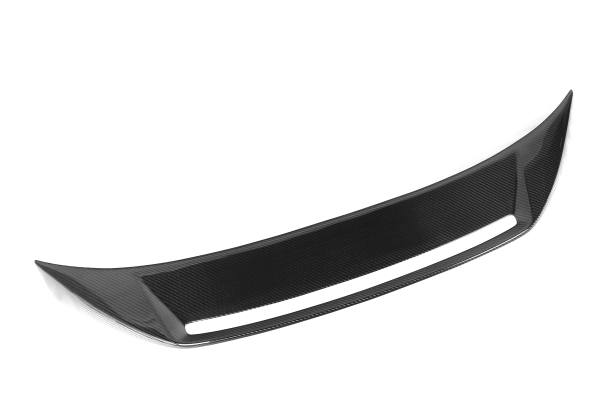
How a Premium Rear Spoiler Enhances Aerodynamics and Driving Performance
Lift Reduction and Downforce Generation at Highway Speeds
Rear spoilers on premium cars work against aerodynamic lift by pushing air upwards from the back of the vehicle, creating real downforce that actually presses the rear tires harder onto the road surface. When driving faster than about 60 miles per hour, this makes a noticeable difference according to those computer models they call CFD simulations, which indicate around a 15 percent drop in how much the rear wheels tend to lift off the ground. Better grip means improved handling when making quick moves like changing lanes at speed or dealing with strong side winds that try to push the car sideways.
Improved High-Speed Stability and Cornering Precision
Spoilers work by reducing how air separates from the car's surface and cutting down on turbulence forming behind it. This helps keep the car going straighter and makes it less sensitive to sudden turns or shifts in direction. When the air flows better over the back end, drivers get more consistent control when taking corners at speed. The result? Less rolling of the body and reduced tendency for the front wheels to lose grip. Tests show cars with properly designed spoilers can handle corners safely about 8 to 12 percent faster than those without them. These improvements matter in everyday driving situations too, whether merging onto highways or navigating winding mountain roads where extra control makes all the difference.
Fuel Efficiency and Real-World Efficiency Gains from a Car Rear Spoiler
Premium rear spoilers do more than just look good on cars they actually help save gas too. When driving at those long stretches on highways going over 65 mph, good quality spoilers can really cut down on air resistance behind the car. Tests have found that some models reduce drag by around 11 percent, which translates to roughly 3 to 7 percent better gas mileage for most passenger vehicles and SUVs. The car doesn't need to work so hard to keep moving forward when there's less wind pushing against it from all directions. Over months and years of regular commuting back and forth between home and work, these small percentage points start adding up. Someone driving 15,000 miles a year might see hundreds saved at the pump simply because their car isn't fighting against itself every mile driven. So while many people think of spoilers purely as performance parts, they're also making smart financial sense for drivers who want to keep costs down without sacrificing style or function.
Balancing Aesthetics and Function: When a Premium Rear Spoiler Makes Sense
Visual Impact vs. Measurable Performance – Understanding Buyer Motivations
People buy high end rear spoilers mainly because they want either better looks or actual performance benefits. Most folks care about how their car looks first and foremost. They're going for that aggressive look and the whole sporty vibe that comes with performance cars. This is especially true for regular sedans and SUVs where good looks matter more than any real technical advantages. Then there are those who actually care about what the spoiler does aerodynamically speaking. Some tests have found that when properly designed, these spoilers can cut down on lift by around 25% and boost rear downforce once speeds hit over 50 miles per hour. This makes corners tighter and highways feel more stable. According to surveys, roughly one out of five sport compact owners notice their handling gets better after installing one. Choosing the right spoiler depends on what matters most for daily use. Small lip spoilers work fine for everyday driving while those big wings tested in wind tunnels are better suited for track days.
Selecting the Right Car Rear Spoiler: Materials, Fitment, and Vehicle Compatibility
Carbon Fiber, Fiberglass, and ABS Plastic – Tradeoffs in Durability, Weight, and Premium Appeal
What materials we choose makes all the difference when it comes to how something performs, lasts, and fits into bigger systems. Take ABS plastic for instance. Sure, it's cheap and easy to work with, but leave it out in the sun too long and watch it fade or warp within just two to three years at most. Fiberglass allows for some pretty cool shapes and decent strength, no doubt about that. However, anyone who has dealt with this material knows it weighs quite a bit more than carbon fiber (around 15 to 30 percent extra) and those pesky paint jobs tend to chip off over time, which really puts a damper on its long term value. Carbon fiber is basically what planes and race cars are made of these days. It weighs about 60 percent less than regular steel while resisting rust and standing up to impacts better than most alternatives. The catch? Expect to pay anywhere from three to five times what other options would cost. For many projects, this kind of investment simply isn't worth the trouble unless absolute top performance is absolutely necessary.
| Material | Durability | Weight | Premium Appeal | Cost Range |
|---|---|---|---|---|
| ABS Plastic | Moderate; degrades in UV | Lightweight | Minimal | $30–$150 |
| Fiberglass | Moderate; chips easily | Heavy | Moderate | $80–$200 |
| Carbon Fiber | High; weather-resistant | Ultra-light | Maximum | $200–$600+ |
For daily drivers, ABS strikes the best balance of function and value. Enthusiasts focused on appearance may prefer fiberglass for its shape versatility, while performance-oriented users maximize ROI with carbon fiber’s superior weight-to-strength ratio.
Sports Cars vs. Sedans and SUVs: Matching Spoiler Design to Vehicle Aerodynamic Profile
How well a spoiler works really comes down to how air moves around a particular car. Sports cars typically need those big rear wings that create over 100 pounds of downforce when going past 60 miles per hour. This extra force helps keep the back end planted firmly on the road during tight turns where drivers push hard into corners. For regular sedans though, something different makes more sense. A small lip spoiler mounted at the trunk usually does the trick, keeping lift to a minimum while still letting air flow smoothly over the body. This setup maintains good gas mileage and doesn't mess with the car's original look either. When it comes to SUVs, experience has shown that medium sized spoilers work wonders. These help steer chaotic air currents upwards and clear them off the rear window area. Testing in wind tunnels indicates such setups cut overall drag somewhere between 3 and 5 percent, which matters quite a bit for these taller vehicles.
Mismatched designs undermine both performance and efficiency: oversized wings on SUVs increase drag and fuel use, while undersized lips on sports cars forfeit stability. Always verify curvature compatibility with your trunk or hatch contour. Track applications demand wind-tested profiles; street installations prioritize seamless integration with OEM body lines.
FAQ
What is the main benefit of a rear spoiler?
A rear spoiler primarily reduces aerodynamic lift, enhancing vehicle stability and handling at higher speeds.
How does a rear spoiler improve fuel efficiency?
By reducing drag, a rear spoiler can improve a vehicle's fuel efficiency by allowing it to move with less wind resistance.
What materials are commonly used for rear spoilers?
Common materials include ABS plastic, fiberglass, and carbon fiber, each offering different advantages in terms of durability, weight, and cost.
Is a spoiler necessary for all types of vehicles?
Not necessarily. While sports cars benefit from large spoilers for downforce, sedans and SUVs may only need smaller ones to reduce lift and improve efficiency.
Table of Contents
- How a Premium Rear Spoiler Enhances Aerodynamics and Driving Performance
- Fuel Efficiency and Real-World Efficiency Gains from a Car Rear Spoiler
- Balancing Aesthetics and Function: When a Premium Rear Spoiler Makes Sense
- Selecting the Right Car Rear Spoiler: Materials, Fitment, and Vehicle Compatibility
- FAQ