
 EN
EN
 AR
AR
 BG
BG
 CS
CS
 FR
FR
 DE
DE
 EL
EL
 IT
IT
 JA
JA
 KO
KO
 NO
NO
 PL
PL
 PT
PT
 RU
RU
 ES
ES
 TL
TL
 ID
ID
 SR
SR
 SK
SK
 TH
TH
 TR
TR
 MS
MS
 KA
KA
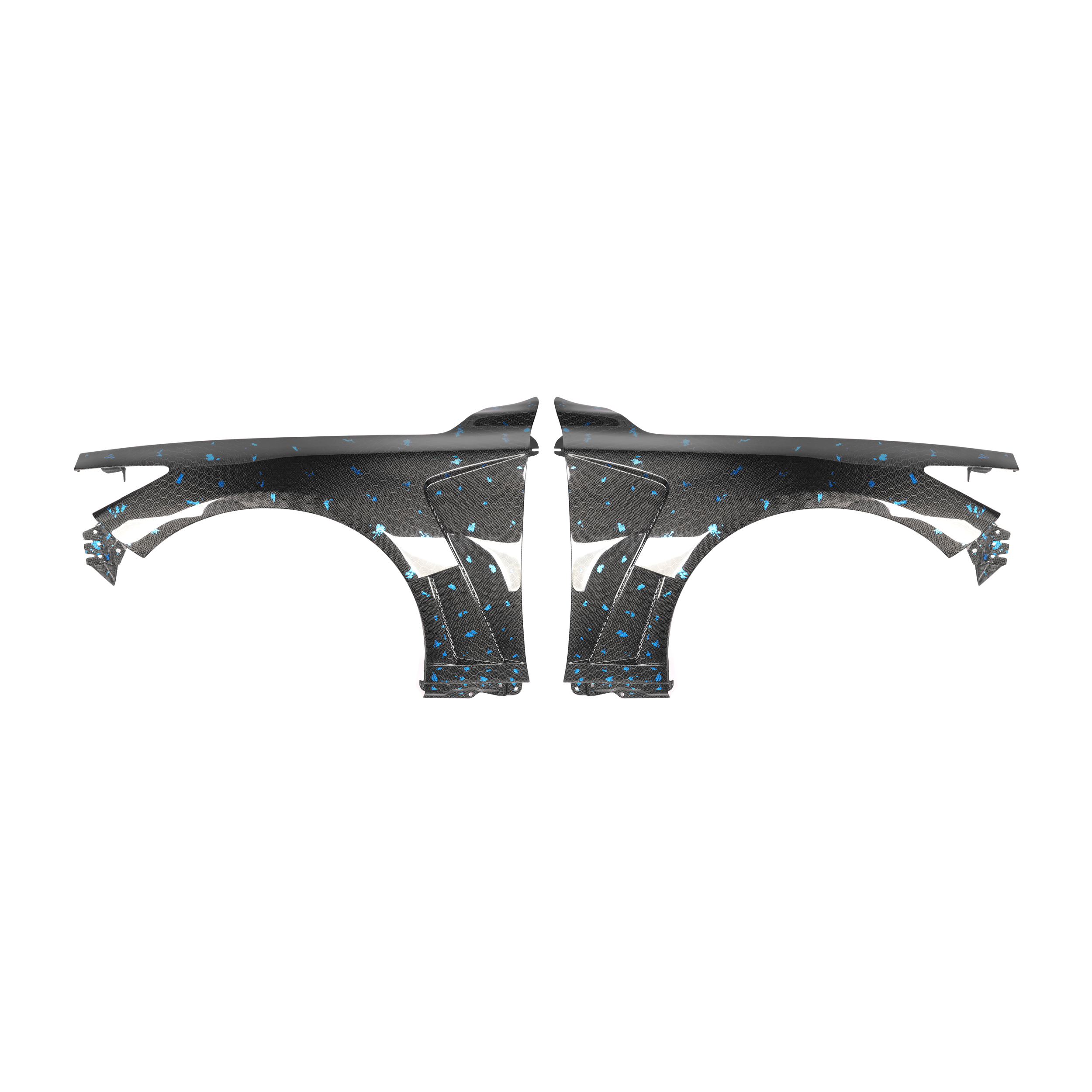
The Aerodynamic Science Behind Car Fender Design
How car fender shape influences airflow separation and drag
How a car fender is shaped makes all the difference when it comes to controlling where air goes and cutting down on drag. When wind hits a moving vehicle, it doesn't just stick to the surface smoothly. Especially around sharp corners like the front edge of the wheel arch area, the air starts to peel away from the body. This creates messy turbulence behind the car that actually increases resistance. Good fender design helps direct airflow around those tricky wheel wells instead of letting it bunch up there. The result? Air stays attached longer, so there's less turbulence messing with performance. Some tests done by SAE International show these kinds of improvements can lower a car's drag coefficient by about 5%. That happens mainly because pressure builds up less at the front of the wheel well area, and the pressure stays more balanced across the sides of the vehicle as it moves forward.
Streamlining wheel wells: Reducing turbulence and pressure drag
The wheel wells represent one of those spots where air dynamics really go haywire on vehicles. When wheels spin, they create all sorts of complicated whirlpools that mess around with the car's bodywork in ways nobody can predict exactly. These swirling patterns make things even worse for turbulence and increase resistance from air pressure. Car makers have started tackling this problem with newer fender designs that actually guide airflow smoothly past the wheels instead of letting it get trapped inside the wheel well area. This helps cut down on those intense vortices and keeps pressure levels more balanced locally. What happens next? The difference in pressure at opposite ends of the wheel space gets reduced significantly since that's what creates so much drag. According to tests run in wind tunnels by researchers in Europe, tweaking these wheel well areas through better shaped fenders can knock anywhere between 3% to 7% off overall vehicle drag. That might not sound like much but when driving at higher speeds, those improvements translate into real benefits for stability and fuel savings too.
Car Fender Optimization for Drag Reduction and Fuel Efficiency
Sportline’s Fender Geometry: Measured Impact on Cd (Drag Coefficient)
The fender geometry of Sportline is designed with airflow management around the wheel arches as a primary goal. These wheel arches represent the biggest exposed rotating part on most cars today. The designers have worked hard to get just right the curves, how wide the flares are, and how everything fits together with the surrounding bodywork. What this does is minimize those annoying areas where air starts to separate from the surface and stops those pesky vortices from forming. When paired with other aerodynamic elements such as rear spoilers and underbody diffusers, tests show that Sportline's overall package can cut down drag coefficient by about 16.5%. That's pretty impressive actually. Such improvements mean less strain on the engine, better throttle reaction times, and noticeably improved handling at highway speeds all while maintaining the same level of structural strength and meeting all necessary crash safety standards.
Real-World Fuel Economy Gains from Aerodynamically Tuned Car Fenders
When car manufacturers optimize fender designs to cut down on air resistance, they see real improvements in both gas mileage and how far vehicles can go before refueling. The U.S. Department of Energy tells us that around 60 percent of what slows cars down on highways comes from fighting against the wind. So even small cuts in this drag coefficient number translate to significant fuel savings over time. Tests with actual fleets of cars have found that cutting drag by just 10 percent boosts regular gasoline car efficiency between 6 and 8 percent when drivers hit the road in normal conditions. For electric cars where each bit of stored electricity matters so much, similar improvements actually stretch the estimated range given by the EPA as high as 13.7 percent. What makes this approach special is that it works without touching any parts related to engine performance. Car companies validate these kinds of fender upgrades because they offer good value for money and work equally well whether applied to traditional engines or newer electric models.
Lightweight Materials and Structural Integration in Modern Car Fenders
Aluminum Car Fenders: Weight Savings Without Compromising Rigidity or Airflow Control
Aluminum alloys are now preferred materials for making fenders when performance and efficiency matter most. They strike just the right balance between being light enough to save weight but still stiff enough to hold those important aerodynamic shapes. Compared with regular steel fenders, aluminum versions usually cut down on weight somewhere around 40 to 50 percent without losing much rigidity. And that matters because these lighter fenders actually keep doing what they're supposed to do regarding airflow control. Some plastic options tend to bend or warp when going fast, messing up those smooth air patterns we all want. According to recent industry reports from groups like The Aluminum Association, using aluminum for parts like fenders really does make cars more fuel efficient, improves how brakes work, and enhances overall ride quality too. Manufacturers have gotten pretty good at shaping aluminum through techniques like hydroforming and setting it in place with multiple mounting points. This helps everything stay stable even when temperatures change during normal driving conditions, so air flows properly around those tricky areas near wheels where turbulence often starts.
Car Fender Design and Cabin Comfort: Mitigating Wind Noise
Edge treatments and contouring: How car fenders suppress turbulent noise sources
Fenders designed with better aerodynamics make cars much quieter inside, not only because they cut down on air resistance but also because they tackle wind noise right where it starts. When air flows past sharp corners on fenders, spaces between fender and door, or uneven spots around wheels, it creates all sorts of annoying background noise that gets into the car interior, particularly when going over 60 miles per hour. Special shaping techniques help fix this problem. Things like rounded edges, tiny bevels on front parts, and smooth connections between fenders and bumpers stop air from separating and creating those pesky vortices. Tests done by German engineers show that just changing how fenders are shaped can actually reduce road noise by about 3 decibels while driving on highways. Combine these changes with good seals and mounts that absorb vibrations, and suddenly we have a solid base for making vehicles quieter overall. This approach helps drivers stay less tired during long trips and makes people think the car feels higher quality, all without needing extra layers of soundproofing material everywhere.
FAQ
Why is the shape of car fenders important?
The shape of car fenders is crucial because it helps direct airflow around the vehicle, reduces drag, and minimizes turbulence, leading to better performance and fuel efficiency.
How do car fenders affect fuel economy?
Optimized fender designs decrease air resistance, resulting in improved fuel economy and extended driving range for both gasoline and electric vehicles.
What materials are commonly used for car fenders?
Car fenders are often made from lightweight materials like aluminum alloys due to their balance of weight savings and structural rigidity, improving aerodynamics and vehicle performance.
How do car fenders reduce wind noise?
Fenders with advanced aerodynamic designs reduce wind noise by preventing air separation and turbulence at corners and wheel areas, resulting in a quieter cabin experience.