
 EN
EN
 AR
AR
 BG
BG
 CS
CS
 FR
FR
 DE
DE
 EL
EL
 IT
IT
 JA
JA
 KO
KO
 NO
NO
 PL
PL
 PT
PT
 RU
RU
 ES
ES
 TL
TL
 ID
ID
 SR
SR
 SK
SK
 TH
TH
 TR
TR
 MS
MS
 KA
KA
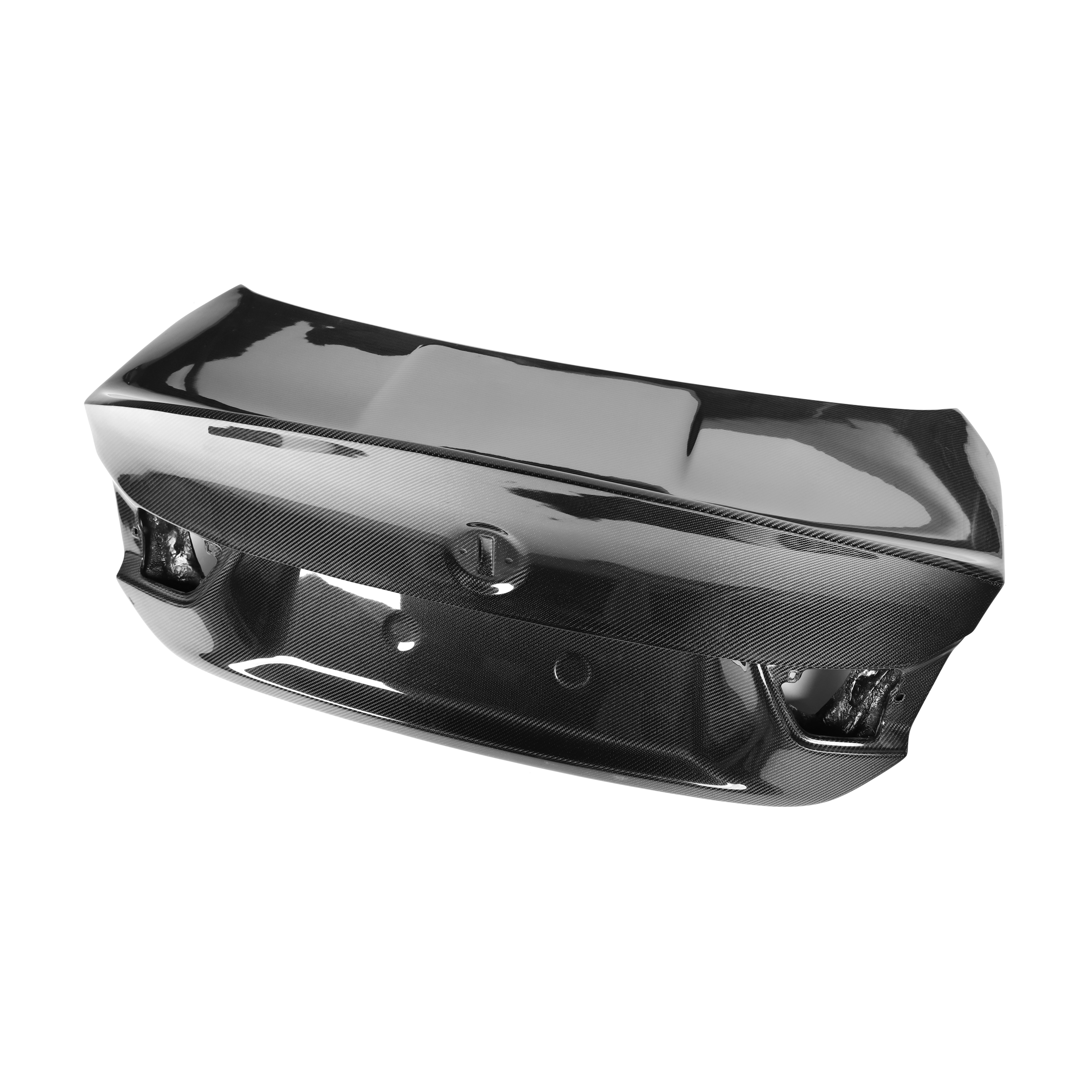
Why Car Trunk Lid Fitment Matters for Function and Aesthetics
The safety, aerodynamics, and sealing implications of poor car trunk lid fitment
When a car's trunk lid doesn't fit properly, it causes problems way beyond just looking bad. Panels that are out of alignment create gaps where water can get inside, which damages things like electrical wiring, parts prone to rust, and the car's interior over time. The aerodynamics take a hit too. Even small misalignments mess with smooth airflow around the vehicle, leading to louder wind noise and costing drivers about 3% in fuel efficiency according to research from automotive engineers at SAE International. What really matters though? Safety issues. Bad fitment might actually affect important safety features. Latches that don't work right or pressure sensors placed incorrectly could mean airbags fail to deploy properly after a rear collision. All these problems make clear why getting the trunk lid to fit correctly isn't some extra detail but something fundamental for any properly functioning vehicle.
How misaligned car trunk lids compromise OEM-level finish and resale value
When a car's trunk lid doesn't fit right, it practically shouts "aftermarket part" or "cheap fix," which really hurts how people view the car's quality and what it'll be worth down the road. According to numbers we've seen from NADA, cars with panels that don't line up properly tend to lose between 15 and 20 percent of their resale value when compared to vehicles that still have that factory fresh look. These visual problems like uneven gaps between panels, parts sitting at different heights, or messed up reflection lines break the whole design balance manufacturers worked so hard to achieve. Even when someone spends good money on repairs, these small inconsistencies make everything look worse than it actually is. Car owners who care about keeping things looking original should take note because potential buyers almost always link proper panel alignment to how well maintained a vehicle has been over time, plus they see it as a sign of genuine craftsmanship.
Key Fitment Criteria: Gap, Flushness, and Panel Consistency
Measuring and interpreting deck lid to quarter panel gap standards
Getting the right gap measurements matters a lot when trying to match factory fitment standards. Most specs call for around 3 to 5 millimeters between the trunk lid and those quarter panels next to it, though luxury cars often need much tighter fits within half a millimeter either way. Don't rely on just looking at things; grab those calibrated feeler gauges or invest in some digital measurement tools instead. Visual checks can be misleading because what looks right might actually be off by several millimeters. When checking gaps, measure at three spots along each side of the trunk opening top, middle and bottom positions work best since panels tend to curve differently in various places. Also watch out for mounting points that might not sit perfectly level. Keep records of both initial measurements and what they look like after installation. These numbers serve as proof of work done and help pinpoint exactly where adjustments are needed without resorting to random trial and error.
Assessing flushness, contour match, and surface continuity across body panels
When checking flushness, we look at more than just the gap width between parts. The trunk lid needs to align vertically too, sitting about 1mm above or below the quarter panels and rear bumper. There shouldn't be any bumps sticking out or dips going in that anyone can spot with their eyes or fingers. Go ahead and run your hand along those transition areas to catch those tiny height differences that aren't obvious when looking straight on. Getting the contours right means making sure the lid curves match up with the rest of the car body so there are no visible gaps or those annoying step-like transitions. Smooth surface continuity matters too. When light reflects evenly across all the panels without breaking suddenly, that's not just pretty to look at. It actually tells us something important about how air flows over the vehicle, which affects both how stable it feels at speed and whether it makes too much wind noise inside.
OEM vs. Aftermarket Car Trunk Lid: Evaluating Fitment Realities
Factory Tolerances and Why OEM Car Trunk Lids Deliver Consistent Fitment
Car trunk lids made by OEMs are built to match factory specs pretty closely, usually around 1 to 2 millimeters tolerance, which means they fit right in without needing modifications. These parts come from the same computer designs, molds, and materials used when cars were first assembled, so everything lines up properly at hinges, latches, and where it connects to other body panels. Getting these measurements right helps avoid common problems such as annoying wind sounds, water getting inside, or increased air resistance that can affect fuel efficiency. Most OEM parts get made following strict quality control processes certified under ISO/TS 16949 standards. This ensures each part stays dimensionally accurate batch after batch something most aftermarket alternatives just cant compete with when it comes to consistency over time.
Aftermarket Challenges: Material Variance, Tooling Accuracy, and Installer Dependency
Trunk lids from the aftermarket market tend to have fit problems because of all sorts of factors including what materials get used, how accurate the tools are, and just how good the person installing them happens to be. Cheaper suppliers sometimes go for thin steel sheets or plastic composites that expand differently when heated, which can warp things over time or create issues during different seasons. When manufacturers don't meet OEM standards, their tooling is often off too. This leads to problems like mounting holes that don't line up right, flanges that look crooked, or body contours that just don't match up properly. Technician skill plays a big role in whether everything fits correctly at the end. Mechanics might need to adjust brackets, move hinges around, or even reshape panels slightly to get things working. Industry data shows that fixing fit issues takes about 30% longer with aftermarket parts compared to genuine OEM ones. This extra time translates into higher costs, more complicated installations, and greater chances something will go wrong with the final result.
Practical Steps to Achieve and Verify Fitment-Perfect Installation
Pre-installation checks: hinge compatibility, mounting points, and dimensional verification
Check dimensions against the OEM service manual or specs provided directly by the manufacturer instead of relying on what's printed on aftermarket boxes. When looking at hinges, make sure the bolt holes line up properly, the pivot points match up straight, and the brackets aren't too thick or thin. Hinges that don't fit right can cause all sorts of problems down the road with stress points forming and parts wearing out faster than they should. Take time to look closely at every mounting spot for signs of rust, bending, or old repairs that might have warped things out of shape. These issues will mess up alignment no matter how good the replacement parts are. Do a quick dry run too: put the lid on without tightening everything down first so we can see if there are any clearance problems, hinge clashes, or latch troubles before actually applying full torque specs.
Post-installation adjustment protocol for gap uniformity and latch alignment
Once everything is loosely attached, start tweaking those hinges bit by bit. Work on the top ones first to get the door hanging straight up and down, then move to the bottom mounts which handle how far forward/backward it sits and keeps things aligned properly. Aim for around 3 to 5 millimeters of space all around the edges, though exact numbers might vary depending on the specific installation. Grab some feeler gauges and check several spots across the frame to make sure everything's even before cranking down on the bolts completely. When testing the latch mechanism, it should click shut smoothly without sticking or needing too much pressure. If closing feels sluggish or squishes the weather stripping too hard, the striker plate probably needs shifting just a little. For final checks, run hands along all the seams to feel for any bumps or gaps, and take a good look at reflections in daylight to spot any irregularities. This ensures not only that the door works correctly but also looks as good as factory fresh when finished.
FAQ Section
Why is proper fitment of a car trunk lid important?
Proper fitment is crucial for the car's functionality and aesthetics. Misalignment can lead to water leakage, reduced fuel efficiency, and safety risks due to compromised structural integrity.
How does fitment affect a car's resale value?
Misaligned panels suggest aftermarket repairs and can significantly reduce resale value, as potential buyers often correlate good panel fitment with the vehicle's maintenance history and overall quality.
What's the difference between OEM and aftermarket trunk lids?
OEM trunk lids are designed to precise specifications and usually match the car's factory tolerances, ensuring consistent fitment. Aftermarket lids may have fitment issues due to material differences and tooling inaccuracies.
What steps are involved in achieving perfect fitment during installation?
Pre-installation checks include verifying hinge compatibility and mounting points. Post-installation requires adjustments for gap uniformity and latch alignment, ensuring everything fits and functions correctly.