
 EN
EN
 AR
AR
 BG
BG
 CS
CS
 FR
FR
 DE
DE
 EL
EL
 IT
IT
 JA
JA
 KO
KO
 NO
NO
 PL
PL
 PT
PT
 RU
RU
 ES
ES
 TL
TL
 ID
ID
 SR
SR
 SK
SK
 TH
TH
 TR
TR
 MS
MS
 KA
KA
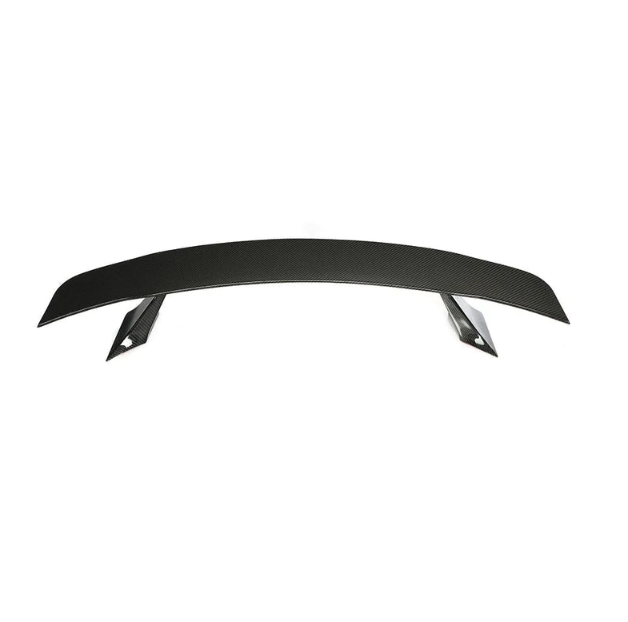
The Aerodynamic Science Behind Car Rear Spoiler Function
How Pressure Differential and Flow Separation Drive Spoiler Design
Rear spoilers on cars basically work by messing around with how air moves over the back end of the vehicle, creating different pressures across the rear surface. When air passes over the roof and trunk area, it speeds up, which creates what's called a low pressure spot right above the rear deck. This actually makes the car want to lift up a bit and feel less stable. The spoiler gets in there and messes with this airflow pattern, shrinking that big messy turbulence bubble that forms behind most cars. What happens next is pretty cool - the way the air settles after passing the spoiler creates something called downforce. Downforce is basically when the air pushes down on the rear wheels instead of lifting them off the road. This gives better grip and keeps things steadier when going fast. Good quality spoilers can boost rear wheel downforce by about 30 percent while driving on highways. That means drivers get better handling when changing lanes or taking corners, all without having to tinker with any mechanical parts underneath the car.
Bernoulli’s Principle and Boundary Layer Control in High-Performance Spoilers
The way high performance spoilers create downforce actually relies on Bernoulli's principle. When air moves faster across the top of the spoiler, it creates lower pressure there compared to the higher pressure underneath, which pushes the car down onto the road. However, today's spoilers aren't just basic wings anymore. Car designers have started adding things like end plates and vortex generators to control what's called the boundary layer – that thin strip of air right next to the car's body that tends to move slower than the rest. These additions help keep the air flowing smoothly over the spoiler rather than separating off too early. What we get from all this engineering is more than just raw downforce. We get smart downforce that gives better grip when turning corners without sacrificing too much speed on straights or burning through extra fuel like older designs did.
Downforce Generation and the Lift-to-Drag Trade-Off
From Airflow Acceleration to Negative Lift: The Core Mechanism
Car rear spoilers work by turning regular aerodynamic lift into what's called negative lift. Basically, they pull the back of the car down towards the pavement instead of letting it float upwards. How? By speeding up air movement across their top surface, usually because of how curved or angled they are. This creates a spot where pressure drops significantly, pushing down on the vehicle itself. While airplane wings are all about generating lift, car spoilers do the opposite job - messing with those lift patterns so the back end stays planted. There's always a catch though. Spoilers create more drag against the air, which means cars can't reach as high speeds and burn through fuel just a little faster on long drives.
Why Lift-to-Drag Ratio (L/D) Determines Real-World Performance Gains
When it comes to measuring how well a spoiler actually works in practice, nobody looks at anything else but the lift-to-drag ratio (L/D). Basically what this number shows is how much extra downward force gets created compared to the drag that also comes along with it. A higher L/D ratio indicates better aerodynamics overall. For cars built for racing tracks, engineers usually aim for L/D ratios somewhere around 3 to 4 times better lift than drag because that helps them stick to corners harder. Street cars need something different though, so they typically settle for about 2:1 ratios since drivers want their cars to still feel good on regular roads without sacrificing fuel economy too much. What really matters for top quality spoilers is maintaining those L/D numbers consistently even when speeds change throughout driving conditions, not just when going flat out. This makes sure the car handles predictably whether accelerating hard, coming to a stop suddenly, or dealing with all sorts of everyday driving situations.
Car Rear Spoiler Impact on High-Speed Stability and Handling
A well-designed car rear spoiler is essential for high-speed stability, generating downforce and managing rear airflow to counteract aerodynamic lift. By increasing vertical load on the rear tires, it enhances contact patch integrity–directly improving traction, steering response, and resistance to instability during aggressive driving.
Mitigating Rear-Axle Lift to Prevent Oversteer and Improve Predictability
When going fast, the rear axle lifts up which takes away pressure from those back tires. That means less grip overall and makes the car more likely to spin out when turning corners hard. Good spoilers fix this problem by pushing air down onto the rear of the car. They create extra force that helps keep everything balanced while the weight shifts around naturally. With proper downforce working its magic, cars stay planted even when roads get bumpy or when making quick turns. Drivers feel much more confident behind the wheel knowing their back end won't suddenly slide away on them.
Optimizing Center of Pressure and Roll Couple Distribution
The center of pressure, or CP for short, basically shows where all those air forces are pushing against the car. When we put a rear spoiler on, it actually moves that CP point further back towards the tail end of the vehicle. This helps line things up better with where the car's weight is centered. Getting these two points aligned makes a big difference when the car speeds up or slows down because there's less tendency for the nose to dip or lift unexpectedly. Spoilers also affect how forces get distributed across the wheels during turns. Think about what happens when a car goes around a corner – the forces aren't evenly spread out between front and back wheels. Good spoilers let engineers adjust this balance so the car doesn't lean too much to one side. The result? Less wobbling when entering bends at higher speeds and generally better control through corners without feeling twitchy or unstable.
Material, Design, and Integration: Choosing an Effective Car Rear Spoiler
Carbon Fiber vs. Fiberglass vs. ABS: Stiffness, Weight, and Deformation at Speed
What material gets used makes all the difference when it comes to how well a spoiler performs and lasts over time. Carbon fiber stands out because it has this amazing combination of strength while being super light weight. Even when going really fast, it doesn't bend or warp much which keeps the aerodynamics working properly as intended. Fiberglass is another option that's somewhat rigid without breaking the bank too badly, though it does weigh more than carbon and tends to get damaged easier if something hits it hard. ABS plastic might seem like a good deal initially since it costs less money and can be shaped pretty easily during manufacturing. But there are problems down the road with things like sun damage causing discoloration, warping from heat exposure, and gradual deformation when subjected to constant wind forces. When talking about serious performance needs, most people will tell you that having strong construction combined with low weight matters most. That's why carbon fiber continues to be what serious racers and car enthusiasts reach for on tracks around the world.
OEM vs. Aftermarket: Why Mounting Geometry and Wake Matching Matter Most
Factory installed spoilers aren't just random additions—they're part of a complete system designed through extensive wind tunnel testing to work with how air flows around each specific vehicle model. The mounting points are placed exactly where they need to be so airflow isn't messed up. Aftermarket options often look cool or sporty, but most haven't gone through proper aerodynamic testing. This can actually cause problems like unwanted turbulence, sudden increases in drag, or unpredictable downforce levels. Getting the mounting right matters a lot. Even something with good lift characteristics won't perform well, or might actually make driving unstable, if it's put on wrong or doesn't match how air moves over the particular car. That's why having someone who knows what they're doing install it and check everything fits properly is crucial for anyone wanting real improvements in handling from their rear spoiler setup.
FAQ
What is the main function of a car rear spoiler?
The main function of a car rear spoiler is to manage airflow in such a way that it reduces lift and increases downforce on the rear wheels, thereby improving traction and stability at high speeds.
How does Bernoulli’s principle relate to car rear spoilers?
Bernoulli's principle relates to car rear spoilers by explaining how increased airspeed across the top of the spoiler lowers pressure, which helps generate downforce by pushing the car down onto the road.
Why is the lift-to-drag ratio important for car spoilers?
The lift-to-drag ratio is important because it measures the effectiveness of the spoiler in creating downforce relative to the drag it generates. A higher ratio indicates more effective performance gains in terms of aerodynamics.
What materials are commonly used for car spoilers?
Common materials used for car spoilers include carbon fiber, fiberglass, and ABS plastic. Carbon fiber is favored for its strength-to-weight ratio, while fiberglass is more affordable, and ABS is easy to shape but may degrade over time.
What is the difference between OEM and aftermarket spoilers?
OEM spoilers are designed to fit a specific model precisely, having undergone thorough aerodynamic testing, while aftermarket spoilers may not align as well with the vehicle's natural airflow, potentially leading to turbulence and unpredictable downforce.