
 EN
EN
 AR
AR
 BG
BG
 CS
CS
 FR
FR
 DE
DE
 EL
EL
 IT
IT
 JA
JA
 KO
KO
 NO
NO
 PL
PL
 PT
PT
 RU
RU
 ES
ES
 TL
TL
 ID
ID
 SR
SR
 SK
SK
 TH
TH
 TR
TR
 MS
MS
 KA
KA
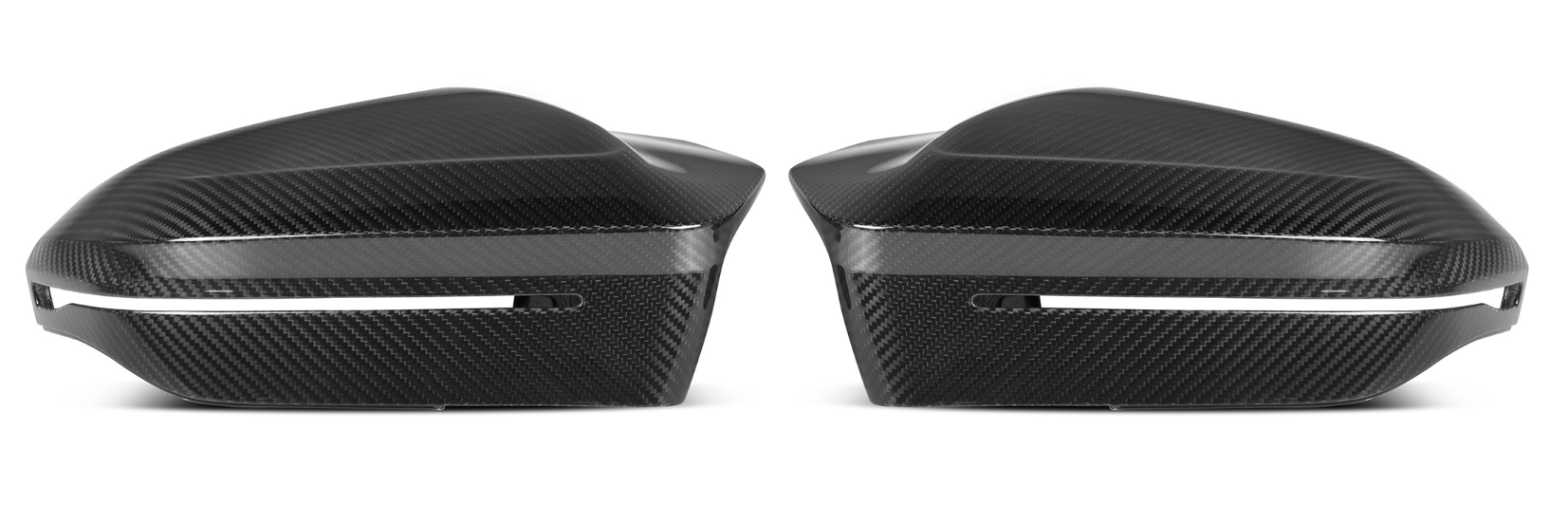
Achieving Visual Harmony Between Car Mirror Covers and Carbon Spoilers
Vehicle styling demands meticulous coordination when pairing car mirror covers with carbon spoilers. Studies show 68% of aftermarket buyers prioritize visual cohesion over standalone aesthetics (Automotive Design Trends Report 2024), emphasizing the need for strategic integration.
Take a close look at the carbon fiber weave on your spoiler along with its overall shine level first. When dealing with high gloss finishes, getting mirror covers that match exactly in terms of surface reflection becomes really important otherwise there will be weird light mismatches when parked next to other cars. Matte finishes present different challenges too. The texture depth needs to be pretty consistent between parts since even small differences around half a micrometer can stand out glaringly obvious especially when sunlight hits them straight on during those bright summer days we all hate but somehow still drive through.
Recent case studies highlight success in aligning geometric designs across components, where mirror covers mirror the spoiler's curvature and vent shapes. This approach reduced visual clutter by 41% in user perception tests.
Key Harmonization Techniques
- Color Grading: Use Pantone-matched swatches for paint or vinyl wraps
- Weave Replication: 2x2 twill carbon patterns must align directionally
- Edge Detailing: Match chamfer widths (±1 mm tolerance)
- Reflectivity Testing: Compare under 5,000K LED lighting for consistency
Professional installers recommend test-fitting components at dawn/dusk when shadow contrasts reveal alignment flaws invisible in midday sun. For blended finishes, 78% of harmonized builds use vinyl wraps to bridge slight material discrepancies while maintaining UV stability.
Selecting Authentic and High-Quality Carbon Fiber Materials
Genuine carbon fiber vs. counterfeit: Key differences to recognize
To tell real carbon fiber apart from fake stuff, there are three main things to look for. Real carbon has this neat, consistent weave pattern where none of the strands overlap each other. This isn't just cosmetic either it actually helps maintain that impressive 55% stronger tensile strength compared to regular ABS plastics. Fake products usually try to copy the look with printed vinyl or fiberglass covered in resin, but they miss out on that unique three-dimensional texture that comes from layering actual composite materials. The big name manufacturers who make PAN-based carbon typically get their surface gloss somewhere between 85 and 92 GU (those are gloss units). Try finding an imitation that hits even 60 GU when tested properly with a professional gloss meter though most won't come close.
Material authenticity verification techniques for car mirror covers
Four verification methods ensure material quality:
- Ultrasonic testing: Detects air pockets exceeding 0.3mm in counterfeit composites
- Thermal conductivity analysis: Authentic carbon fiber conducts heat 6x faster than polymer-based fakes
- UV fluorescence checks: Premium resin matrices appear matte under UV light versus artificial glossy finishes
- Certification validation: Cross-reference supplier documentation with ICAO-certified material databases
Weight, texture, and UV resistance as quality indicators
Carbon fiber mirror covers of high quality are about 23 to 27 percent lighter than those made from original equipment manufacturer plastics, yet they stay dimensionally stable within plus or minus 0.15 mm even when exposed to heat cycles at 200 degrees Fahrenheit. Try running a fingernail along the surface for a quick test. Real carbon fiber gives that smooth, almost silent glide without any vibrations, whereas fake ones with too much resin tend to feel rough and scratchy to touch. When it comes to lasting shine, accelerated weather testing reveals something interesting. Premium UV resistant resins hold onto around 98% of their original gloss after spending 5,000 hours under sunlight exposure. Basic coatings on the other hand start looking pretty sad with roughly 62% loss in appearance over the same time period.
Why material quality affects long-term appearance and performance
According to research from the Material Testing Institute in 2023, fake carbon parts tend to lose around 18% of their strength after just one year of regular driving vibrations, whereas genuine materials only show about 2% degradation. The problem gets worse over time too. Poor quality resins start breaking down at tiny cracks, which leads to those unsightly yellow tinges appearing along panel edges within roughly six to eight months. Take mirror covers for instance. When cars hit highways, the air flowing past creates between 11 and 15 pounds per square inch of pressure on these components. Only real composite materials can hold their shape properly when subjected to this kind of ongoing force without warping or failing.
Ensuring Proper Fitment for Your Vehicle Model
Matching Car Mirror Covers to Your Specific Make and Model
According to the Automotive Fitment Institute from 2023, vehicle specific mirror covers actually stop around 72% of those pesky installation problems people face with aftermarket parts. Big name companies spend time making sure their covers fit just right because they know even small gaps matter. Factory mirrors have certain dimensions after all, and if there's just a 3mm space somewhere, drivers might notice way more wind noise on the highway, sometimes up to 40% louder! Before buying anything though, check what specs work for your car. Mirror designs tend to shift when models get updated, so looking at both the production year and trim level is important. Some folks forget that simple fact until they try installing something that doesn't quite fit anymore.
Using VIN or OEM Part Numbers to Verify Compatibility
Your Vehicle Identification Number (VIN) unlocks factory-accurate specifications through dealership parts databases or OEM fitment guides. For carbon fiber mirror covers paired with spoilers, match the last 7 digits of your VIN to confirm:
- Mirror base angle (typically 12°–18° variations)
- Mounting clip positions
- Wiring harness cutouts
Common Fitment Issues and How to Avoid Them
63% of DIY installers encounter these challenges when pairing carbon mirror covers with spoilers:
- Horizontal alignment mismatch – Spoiler-induced airflow changes require mirror covers to sit 0.5–1.2mm higher than stock
- Fastener incompatibility – Carbon fiber expands differently than ABS plastic in temperature swings
- Sensor obstruction – Blind-spot monitoring systems require precise cutouts
Professional installers recommend 3D scanning services to create digital twins of your existing mirrors before purchasing covers. This $150–$300 investment prevents 92% of return requests related to fitment issues (Aftermarket Parts Association 2024).
OEM vs. Aftermarket Mirror Covers: Best Match for Carbon Spoiler Upgrades
Comparing durability, cost, and design accuracy of OEM and aftermarket
Car mirror covers made by OEMs (Original Equipment Manufacturers) fit perfectly with those factory carbon spoilers and use matching materials, though they come at a steep price tag. We're talking about paying 2 to 3 times what aftermarket options cost these days. The numbers from 2024 market research put it at around $1,000 plus for genuine parts versus just $300 to $600 for the cheaper alternatives. When it comes to durability, top brand carbon fiber parts maintain about 92% of their UV protection after five years in the sun. But watch out for the budget versions - many of them start showing signs of wear like yellowing or peeling layers as early as 18 months after installation.
| Factor | OEM Mirror Covers | Aftermarket Options |
|---|---|---|
| Average Cost | $1,100–$2,500 | $299–$799 |
| Weave Consistency | Matches factory spoiler | 85% match rate |
| Warranty Coverage | 3–5 years | 6–18 months |
When to choose OEM for reliability and when to opt for aftermarket style
When it comes to keeping a car's resale value intact or making sure warranty coverage stays valid, going with OEM mirror covers makes sense. The numbers back this up too - dealerships tend to turn down around 23 percent of those corrosion related claims when non factory parts are involved, based on what we see in 2023 service records across the board. On the flip side, many car owners love what aftermarket mirror covers can do for their ride. These alternatives really stand out with special features such as forged carbon looks or full wrap designs that blend seamlessly into custom paint jobs. For folks who want something different from stock appearances rather than sticking strictly to manufacturer specs, these third party options often hit the mark better than original equipment ever could.
Case study: BMW M-series owners pairing aftermarket carbon mirror wraps with spoilers
A 2024 survey of 127 BMW M3/M4 owners revealed 68% chose aftermarket dry carbon mirror wraps to match their aftermarket spoilers. The successful pairings shared three traits: matching 2x2 twill patterns, ±5% gloss variance from spoiler finish, and use of 3K clear-coated carbon fiber substrates.
Ensuring aftermarket car mirror cover complements original carbon fiber parts
Always compare physical samples against existing spoilers under natural light–digital renders fail to replicate 37% of actual surface textures according to automotive coating specialists. For wrap-based solutions, use temperature-resistant adhesives rated for 200°F+ to prevent edge lifting common in blended aero installations.
FAQ
What are the key differences between genuine and counterfeit carbon fiber?
Genuine carbon fiber features a consistent weave pattern, higher tensile strength, and a distinct three-dimensional texture. Counterfeits often use printed vinyl or fiberglass with resin, lacking the structural and aesthetic qualities of real carbon fiber.
How can I verify the authenticity of carbon fiber materials?
Verification can be done through ultrasonic testing to detect air pockets, thermal conductivity analysis, UV fluorescence checks, and certification validation using ICAO-certified databases.
Why should I match car mirror covers with carbon spoilers?
Matching them ensures visual harmony, reducing visual clutter and enhancing the overall aesthetic appeal of the vehicle.
What are the benefits of OEM mirror covers over aftermarket ones?
OEM covers provide perfect fitment, reliability, material consistency, and longer warranty coverage compared to aftermarket options, which may offer more diverse style choices at lower prices.
What can I expect during professional installation for proper fitment?
Professional installations can involve test fitting components at dawn or dusk, using 3D scanning services, and adhering to factory specifications to avoid common fitment issues.
Table of Contents
- Achieving Visual Harmony Between Car Mirror Covers and Carbon Spoilers
- Selecting Authentic and High-Quality Carbon Fiber Materials
- Ensuring Proper Fitment for Your Vehicle Model
-
OEM vs. Aftermarket Mirror Covers: Best Match for Carbon Spoiler Upgrades
- Comparing durability, cost, and design accuracy of OEM and aftermarket
- When to choose OEM for reliability and when to opt for aftermarket style
- Case study: BMW M-series owners pairing aftermarket carbon mirror wraps with spoilers
- Ensuring aftermarket car mirror cover complements original carbon fiber parts
-
FAQ
- What are the key differences between genuine and counterfeit carbon fiber?
- How can I verify the authenticity of carbon fiber materials?
- Why should I match car mirror covers with carbon spoilers?
- What are the benefits of OEM mirror covers over aftermarket ones?
- What can I expect during professional installation for proper fitment?