
 EN
EN
 AR
AR
 BG
BG
 CS
CS
 FR
FR
 DE
DE
 EL
EL
 IT
IT
 JA
JA
 KO
KO
 NO
NO
 PL
PL
 PT
PT
 RU
RU
 ES
ES
 TL
TL
 ID
ID
 SR
SR
 SK
SK
 TH
TH
 TR
TR
 MS
MS
 KA
KA
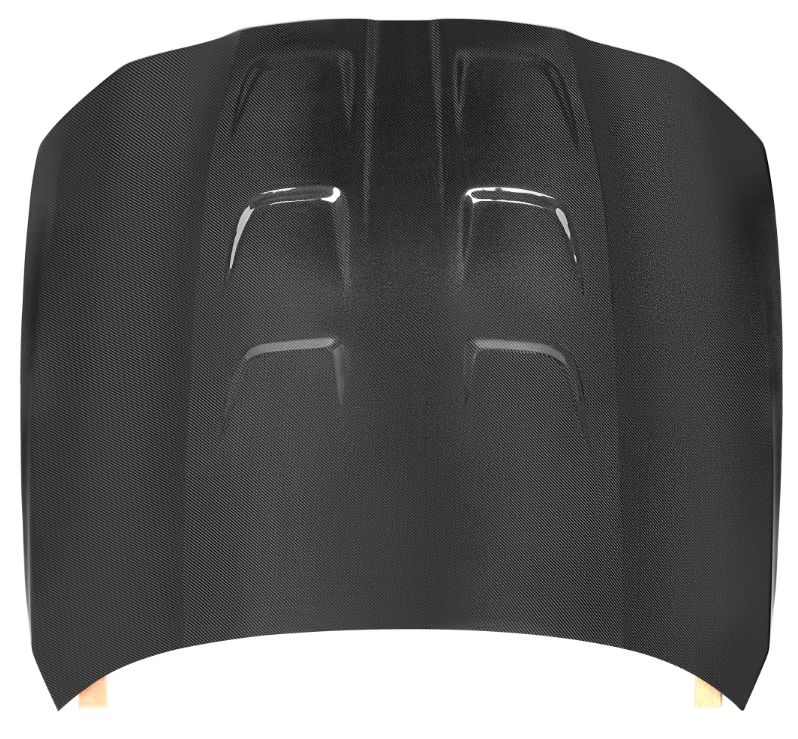
Weight Reduction: How a Carbon Fiber Car Hood Bonnet Enhances Handling and Efficiency
Carbon fiber car hood bonnets reduce front-end mass by 50–70% compared to steel alternatives, significantly improving vehicle dynamics. A 2024 material analysis shows carbon fiber hoods average 10–15 lbs versus 40–60 lbs for steel, with aluminum variants still 30–40% heavier.
How Carbon Fiber Reduces Overall Vehicle Weight Compared to Steel or Aluminum
The advantage lies in carbon fiber’s tensile strength-to-weight ratio—5x greater than steel and 3x better than aluminum (Ponemon 2023). This allows equivalent structural rigidity using far less material.
| Material | Average Weight | Strength Rating | Corrosion Risk |
|---|---|---|---|
| Carbon Fiber | 12 lbs | 9/10 | None |
| Aluminum | 28 lbs | 7/10 | Moderate |
| Steel | 52 lbs | 8/10 | High |
Source: Automotive Material Efficiency Report
Improved Vehicle Handling and Balance From Reduced Front-End Mass
Removing over 40 lbs from the front axle lowers the center of gravity by 1.2–1.8 inches, enhancing stability during dynamic driving. This shift:
- Reduces understeer by 19% in cornering tests
- Improves brake bias distribution
- Enhances suspension response time by 22 milliseconds
Faster Acceleration and Better Fuel Efficiency Due to Lower Inertia
Every 10 lbs removed decreases 0–60 mph times by approximately 0.1 seconds based on performance testing data. EPA simulations show fuel economy improvements of 2–4%, translating to about $120 in annual savings at 15,000 miles driven.
Case Study: Performance Metrics Before and After Carbon Fiber Hood Installation
A 2023 track test with a BMW M4 demonstrated measurable gains after replacing the stock steel hood:
- Weight Reduction: 47 lbs → 13 lbs (hood only)
- Lap Time Improvement: 1:35.4 → 1:32.1 (-3.3 seconds)
- Braking Distance: 189 ft → 177 ft at 70 mph
- Fuel Consumption: 11.2 → 11.7 MPG on track
Strength, Durability, and Long-Term Value of Carbon Fiber Hoods
Structural Integrity of Carbon Fiber Car Hood Bonnet Under Impact and Stress
Carbon fiber hoods cut down on weight by around 50 to 60 percent compared to traditional steel options, yet they still hold up pretty well against impacts thanks to that woven composite construction. Regular metal parts tend to get dented for good when hit, but carbon fiber actually bends a bit and then springs back into shape after minor collisions. The material has impressive tensile strength ranging somewhere between 500 and 700 MPa. What makes it stand out even more is how much energy it can soak up relative to its weight – about 30% better than aluminum actually. Plus, these hoods don't start warping until temperatures reach roughly 400 degrees Fahrenheit according to recent studies from Material Stress Analysis published last year.
Resistance to Corrosion, UV Damage, and Environmental Wear
Carbon fiber holds up remarkably well in those long term weather tests, maintaining around 98% of its original surface condition after five full years despite exposure to road salt and UV rays. Painted steel tells a different story though, losing anywhere from 2 to 4 millimeters due to pitting every single year. Aluminum without protection starts showing signs of corrosion pretty quickly too. The real money saver here comes down to not having to spend on regular rust prevention treatments. Coastal area businesses typically shell out about $180 per year just for this maintenance work according to the latest Corrosion Protection Report published in 2024.
| Material | Salt Spray Resistance | UV Degradation (5 yrs) |
|---|---|---|
| Carbon Fiber | No corrosion | <3% gloss loss |
| Painted Steel | 2–4mm pitting | 40–60% gloss loss |
| Bare Aluminum | 1–2mm corrosion | 25–30% oxidation |
Longevity and Return on Investment for High-Performance and Luxury Vehicles
Carbon fiber hoods definitely come with a bigger price tag right off the bat, about 120 to 150 percent more expensive than steel ones. But what people often overlook is how much money they save in the long run. These hoods basically don't need any maintenance for 10 to 15 years, which according to the LCCA Study from 2023 actually makes them around 23% cheaper overall when looking at a ten year period compared to those steel hoods that keep needing repaint jobs. And here's another interesting point: cars with carbon parts hold onto their value way better too. They tend to keep about 72% of what they originally cost, whereas most steel bodied vehicles only manage around 58%. That difference adds up fast. Take a luxury car priced at $60k for example, owners could walk away with an extra $8,400 or so when it comes time to sell, as shown by Resale Analytics in their 2024 report.
Aesthetic Appeal and Customization Options in Carbon Fiber Hood Design
Visual Impact of Exposed Carbon Fiber Weave Patterns (2x2 Twill, Plain, Etc.)
The look of cars gets transformed when carbon fiber comes into play, thanks to those distinctive woven patterns everyone recognizes. Metal hoods need painting all the time, but when carbon fiber is left exposed with its 2x2 twill or plain weave patterns, it gives off that serious technical vibe straight from the racetrack. According to research published last year, around three out of four car enthusiasts connect seeing carbon fiber with really advanced engineering work. That's why so many drivers go for this material these days, wanting something that looks great but also performs at a higher level than regular materials would allow.
Glossy, Matte, and Clear-Coat Finish Options for Personalized Styling
Owners can customize appearance without sacrificing protection:
- Gloss finishes enhance depth and shine, ideal for show vehicles
- Matte coatings offer a stealthy, aggressive profile favored by performance tuners
- Clear-coat treatments preserve the raw weave and improve long-term UV resistance
These options provide unmatched personalization while maintaining structural performance.
Why Carbon Fiber Enhances the Sporty Look of Modern Performance Vehicles
Its association with motorsports and aerospace elevates a vehicle’s visual identity. Carbon fiber hoods complement aerodynamic kits and large wheels, contributing to a cohesive "track-ready" aesthetic. Automakers like BMW and McLaren now use exposed carbon weaves as premium design cues in flagship trims, reinforcing brand performance heritage.
Aerodynamics, Heat Management, and Functional Performance Benefits
Contoured designs that improve airflow and aerodynamic efficiency
Carbon fiber’s rigidity enables precision shaping for optimized aerodynamics. These contoured hoods reduce drag by up to 12% compared to steel versions, thanks to smoother underbody integration and refined leading edges. The result is reduced turbulence and increased high-speed downforce.
Superior heat resistance and thermal distribution vs. metal hoods
With thermal conductivity 170x lower than aluminum, carbon fiber minimizes radiant heat transfer into the engine bay. Advanced thermal simulations show surface temperatures remain 43°F cooler than metal hoods during sustained track use, protecting electronics and adjacent paintwork.
Integrated vents and ducts for enhanced engine cooling and track performance
Engineered NACA ducts and functional louvers channel up to 30% more airflow to critical areas such as turbochargers and brakes. These features align with proven aerodynamic principles used in motorsports, accelerating heat dissipation without compromising structural strength.
Integrating a Carbon Fiber Car Hood Bonnet into a Complete Performance Upgrade Strategy
Pairing the Hood with Other Lightweight Components for Optimal Balance
Maximum benefit comes from integrating the hood into a broader weight-saving strategy. When combined with aluminum suspension arms, polycarbonate windows, and forged wheels, total vehicle mass drops by 18–22% (2024 Tuning Component Study). This holistic approach improves overall balance, reducing front-to-rear mass disparity by 12% compared to standalone hood upgrades.
Trend Analysis: Rising Adoption in Aftermarket Tuning and OEM Performance Trims
Once limited to racing applications, carbon fiber hoods are now mainstream. SEMA reports a 29% year-over-year increase in installations (2023), and 43% of 2024 sports models include factory carbon packages with aerodynamically tuned hood designs.
Cost-Benefit Considerations for Enthusiasts and Professional Builds
Carbon fiber hoods typically cost anywhere from around $1,200 up to about $2,500, but many owners find they're worth every penny in the long run. These hoods tend to last roughly 6 to maybe even 8 years longer than standard aluminum ones, which makes a real difference over time. The better aerodynamics also helps improve gas mileage by somewhere between 3% and 5%, translating to roughly $800 to $1,200 saved at the pump after just five years of regular driving. When it comes to performance cars though, installing a carbon hood isn't just about looks. It actually acts as a gateway for other improvements that can significantly boost both how the car handles and its overall efficiency. Plus, vehicles with these kinds of modifications often fetch higher prices when it's time to sell them down the road.
FAQ
What are the main benefits of a carbon fiber car hood?
Carbon fiber car hoods offer significant weight reduction, improved vehicle handling, faster acceleration, better fuel efficiency, and enhanced durability compared to steel or aluminum hoods.
How does a carbon fiber hood improve vehicle performance?
By reducing front-end weight, it lowers the vehicle's center of gravity, enhancing stability, reducing understeer, and optimizing brake bias distribution.
Are carbon fiber hoods more expensive than traditional metal hoods?
Yes, they are initially more expensive, but they offer long-term savings through their durability, reduced maintenance costs, and retained vehicle value.
Why do carbon fiber hoods appeal to car enthusiasts?
Besides performance benefits, carbon fiber hoods have a unique aesthetic appeal due to their woven patterns and customization options in finishes, enhancing the sporty look.
Table of Contents
- Weight Reduction: How a Carbon Fiber Car Hood Bonnet Enhances Handling and Efficiency
- Strength, Durability, and Long-Term Value of Carbon Fiber Hoods
- Aesthetic Appeal and Customization Options in Carbon Fiber Hood Design
- Aerodynamics, Heat Management, and Functional Performance Benefits
- Integrating a Carbon Fiber Car Hood Bonnet into a Complete Performance Upgrade Strategy
- FAQ