
 EN
EN
 AR
AR
 BG
BG
 CS
CS
 FR
FR
 DE
DE
 EL
EL
 IT
IT
 JA
JA
 KO
KO
 NO
NO
 PL
PL
 PT
PT
 RU
RU
 ES
ES
 TL
TL
 ID
ID
 SR
SR
 SK
SK
 TH
TH
 TR
TR
 MS
MS
 KA
KA
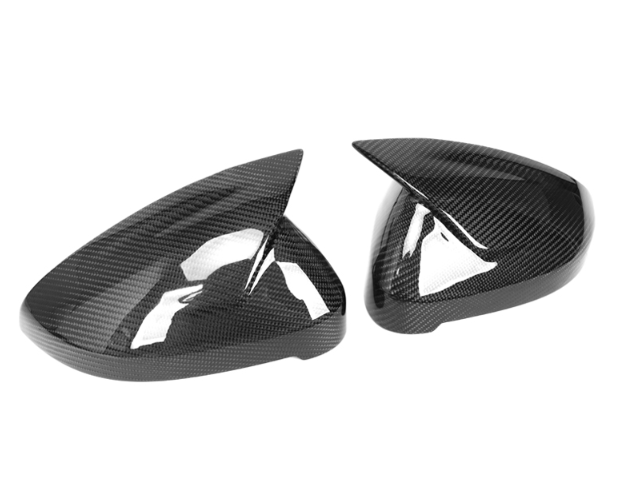
The Rise of Carbon Fiber Mirror Covers in Automotive Styling
Why Carbon Fiber Has Become a Symbol of Premium Aesthetics
The distinctive weave and shiny look of carbon fiber have pretty much become synonymous with premium car trim pieces. It's actually about 20 percent stronger than steel per unit weight according to some research from Grand View in 2023. That means manufacturers can create those sleek, wind-cheating mirror covers while still keeping things solid enough to last. People just love this combination of form and function. A recent SEMA study showed nearly seven out of ten luxury vehicle shoppers automatically link carbon fiber parts with cutting edge engineering when they see them on display at dealerships.
Adoption Trends in Luxury and Performance Vehicle Segments
More than 40 percent of factory packages from luxury carmakers like Porsche and Mercedes-AMG now feature those sleek carbon fiber mirror covers according to Automotive News last year. The aftermarket scene has exploded too, growing almost 30% compared to the previous year as gearheads continue adding these premium bits to otherwise regular cars. Take the BMW M3 Competition for instance it's become something of a poster child for this whole movement. These cars come with specially shaped mirrors that cut through air better, plus bigger fenders and aggressive spoilers that make them look ready to hit the racetrack at any moment. Some folks just can't resist giving their daily drivers that extra touch of performance flair.
Integration of Carbon Fiber in OEM and Aftermarket Car Mirror Cover Designs
| Feature | OEM Designs | Aftermarket Designs |
|---|---|---|
| Cost | $800–$2,500 (factory packages) | $300–$1,200 (universal fit) |
| Customization | Limited color/texture options | Gloss, matte, forged carbon |
| Weight | 0.4–0.7 lbs per cover | 0.3–0.6 lbs per cover |
OEMs like Audi integrate heating elements and blind-spot sensors into factory carbon mirror covers, ensuring full functionality. Aftermarket manufacturers leverage 3D scanning technology to deliver precise fits for models such as the Tesla Model 3 Performance, maintaining alignment with factory specifications.
Customization Options for Personalized Carbon Fiber Mirror Covers
Tailoring Weave Patterns: Twill, Plain, and 3K vs. 6K Carbon Fiber
What makes carbon fiber look the way it does comes down to how it's woven together. Twill weave has this diagonal shine that car builders love for race cars and track machines. Plain weave creates those clean grids people want when they're going for something simple and elegant. When picking between 3K and 6K carbon, texture becomes pretty important. Most folks know that 3K gives those intricate details everyone wants to showcase in custom builds. But if someone prefers something with more impact visually, 6K carbon stands out with its bold patterns that really grab attention on performance oriented vehicles.
Glossy, Matte, and Hybrid Finishing Options for Custom Looks
Surface finishes significantly influence appearance. Glossy treatments reflect light dramatically, highlighting the material's technical craftsmanship. Matte finishes reduce glare and suit stealth-focused or track-oriented vehicles. Hybrid options blend both textures, using directional lighting to accentuate contours and add depth to custom builds.
Color Inlays and Accents: Combining Carbon Fiber with Custom Tints
Modern laminating techniques allow tinted resins and colored threads to be embedded without obscuring the weave. Bronze or gold resins introduce warm tones for luxury applications, while blue or red thread accents provide contrast in sportier configurations offering personalized flair without compromising structural integrity.
Bespoke Fitment: Matching Car Mirror Cover to Specific Vehicle Models
Precision is critical for seamless integration. Top manufacturers use 3D scanning of door panels and A-pillars to maintain 1–2 mm gap tolerances across complex curves. Studies show 98% of model-specific aftermarket covers achieve factory-grade alignment on European sports cars, and 94% on electric vehicles, ensuring clean, professional results.
(Table: Finish Type vs. Design Application)
| Finish Type | Best For | Light Reflection | Maintenance Needs |
|---|---|---|---|
| Glossy | Show cars, luxury builds | High | Weekly polishing |
| Matte | Track cars, urban styles | Low | Bi-monthly wipe |
| Hybrid | Custom builds | Directional | Monthly detailing |
Integration with Vehicle Design and Overall Styling Cohesion
Design Harmony: Aligning Mirror Covers with Body Kits and Spoilers
Carbon fiber mirror covers really help things look better together when they match up with those sporty looking parts people put on cars these days. A recent poll from last year showed something interesting too - most folks who buy these covers (like 78 out of every 100) tend to get them along with body kits or spoilers so everything matches nicely. The trend actually lines up pretty well with what we're seeing in the latest automotive styling reports for 2024. These reports show designers pairing sharp angled mirror housings with those big flared rear ends and those cool vents on the front hood sections that let hot air escape.
Seamless Integration with Factory Lines and Proportions
High-quality carbon fiber covers replicate original curvature within ±1.5mm tolerance, preserving uninterrupted body lines. Using 3D scanning, manufacturers ensure the covers follow factory contours precisely, avoiding the "bolt-on" look of poorly fitted accessories and maintaining the vehicle's intended proportions.
Expanding Carbon Fiber Use: Hood Vents, Trims, and Diffusers
After getting those carbon fiber mirror covers fitted on their cars, many owners start thinking about other upgrades they want. According to a market research report from 2022, cars that already have carbon mirrors tend to get additional modifications like hood vents or front splitters about three times more frequently in the following twelve months. Makes sense really when we look at what manufacturers do themselves. Take BMW for instance with their M Performance range. They don't just sell mirror covers separately but package them together with things like roof spoilers and rear decklid spoilers so customers can get that full sporty look straight from the factory without having to piece it all together themselves later on.
Performance Benefits and Consumer Appeal of Lightweight Carbon Fiber
Weight Reduction and Its Impact on Handling and Efficiency
Switching out standard mirror covers for carbon fiber can cut down on weight by around 60 to 70 percent without sacrificing structural integrity. While the actual weight saved might seem minor, it plays into making vehicles lighter overall. The numbers back this up too - studies show that cutting just 10% off a car's total weight can boost fuel efficiency somewhere between 6 and 8 percent according to research from the Office of Energy Efficiency & Renewable Energy in 2025. And those few extra pounds matter more than most realize. Losing even 2 or 3 pounds per side makes a noticeable difference in handling characteristics, especially when talking about sports cars or other performance oriented vehicles where every ounce counts during tight corners and aggressive driving maneuvers.
Structural Integrity Without Compromising Slim, Sporty Appearance
Carbon fiber's layered composite structure offers superior impact resistance compared to ABS plastic or painted metal, performing reliably at speeds exceeding 100 mph in wind tunnel testing. Its moldability allows ultra-thin profiles that enhance a vehicle's aggressive stance without adding bulk delivering both durability and visual refinement.
Psychological and Market Appeal: Why Drivers Choose Carbon Fiber
Carbon fiber has become synonymous with cutting edge technology and motorsport tradition. The latest Automotive Carbon Fiber Component Market Report from 2025 shows something interesting: around 78 percent of people buying luxury cars see carbon fiber as a mark of serious performance engineering. This belief actually influences their wallets too many consumers are ready to shell out anywhere from 30 to 40 percent extra for original equipment manufacturer carbon fiber kits, despite the fact that real performance improvements are often quite small. Looking at resale values tells another story altogether. Cars featuring genuine carbon fiber details tend to hold onto about 7 to 12 percent more value than similar models with fake carbon look vinyl wraps or cheap imitations. That kind of residual value speaks volumes about what consumers really want in their premium vehicles over time.
FAQ
Why are carbon fiber mirror covers popular in luxury vehicles?
Carbon fiber mirror covers are popular in luxury vehicles due to their premium aesthetics, lightweight properties, and association with high-performance engineering, making them desirable for maintaining or enhancing a vehicle's style and value.
How do carbon fiber mirror covers contribute to vehicle performance?
Carbon fiber mirror covers contribute to vehicle performance by reducing weight, which can improve handling and fuel efficiency, especially in sports cars and other performance-oriented vehicles.
What customization options are available for carbon fiber mirror covers?
Customization options for carbon fiber mirror covers include various weave patterns like twill and plain, finishing options such as glossy or matte, and color inlays for personalized looks while maintaining structural integrity.
What is the difference between OEM and aftermarket carbon fiber mirror covers?
OEM carbon fiber mirror covers are designed specifically for certain models and may include integrated features like heating and sensors, while aftermarket options offer broader compatibility, diverse textures, and often innovative designs using technologies like 3D scanning for precise fits.