
 EN
EN
 AR
AR
 BG
BG
 CS
CS
 FR
FR
 DE
DE
 EL
EL
 IT
IT
 JA
JA
 KO
KO
 NO
NO
 PL
PL
 PT
PT
 RU
RU
 ES
ES
 TL
TL
 ID
ID
 SR
SR
 SK
SK
 TH
TH
 TR
TR
 MS
MS
 KA
KA
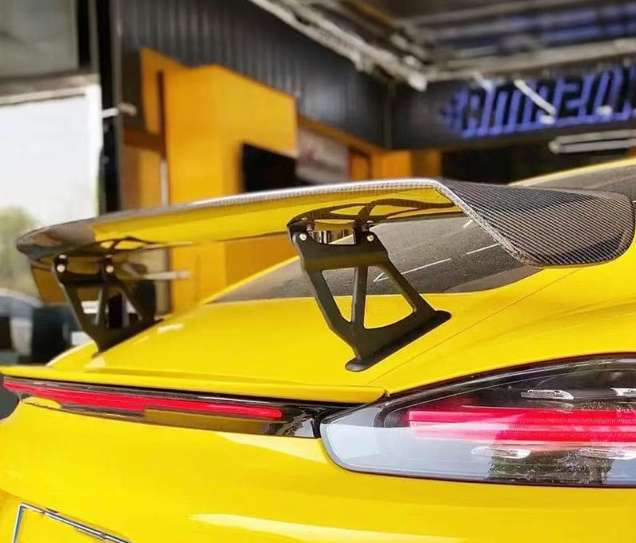
Understanding the Car Rear Spoiler Function and Aerodynamics
What is the primary car rear spoiler function?
Rear spoilers on cars work mainly to cut down on aerodynamic lift by changing how air flows across the back of the vehicle. When this happens, tires stay better grounded on the pavement which means improved grip when driving fast on highways. According to wind tunnel testing, if a spoiler is positioned correctly it can actually take away between 240 to 300 pounds of upward force from the rear at around 70 miles per hour speed. That kind of reduction really helps fight against wobbling or drifting when making quick turns or dealing with strong side winds. Spoilers also mess with those annoying air swirls that form behind vehicles, stopping that strange floating feeling many drivers notice when going at higher speeds.
How aerodynamics and vehicle stability are interconnected
Getting good aerodynamic stability really comes down to finding the right balance between downforce and drag. According to some recent studies in the 2024 Automotive Aerodynamics Report, adding around 100 kg of downforce can actually boost cornering grip by somewhere between 4% and 6%. This effect is particularly noticeable in those high performance sedans that are built for tight turns and fast corners. That's exactly why we see luxury electric vehicles such as the Tesla Model S Plaid and Porsche Taycan equipped with those big rear spoilers. These aren't there just to look cool or go faster, though. They're actually helping keep those massive battery packs stable when the car accelerates quickly from a stop. Once these cars hit speeds over 100 mph, drag starts playing a much bigger role in how predictable the handling feels. So spoiler design isn't just about looks anymore—it's become pretty essential for maintaining control at highway speeds where stability matters most.
The role of rear-end aerodynamic design in modern vehicles
Modern car spoilers do more than just look cool they actually help manage airflow and boost fuel efficiency. Recent research from the Vehicle Dynamics Journal shows that cars equipped with smart rear spoilers, such as the Mercedes-AMG GT model, can cut down on drag by around 0.03 to 0.05 units when driving at highway speeds. That translates into roughly 1.2 to 1.8 percent better gas mileage for drivers. Car makers are increasingly focused on making sure air flows smoothly over their vehicles. They're designing spoilers to blend right into the tail lights and trunk area rather than sticking out awkwardly. When done properly, this smooth integration stops air from separating too early from the vehicle surface. And we all know what happens when air separates suddenly during an emergency stop in a stock car stability goes straight out the window.
How Downforce Enhances Grip and High-Speed Stability
How Downforce and Lift Reduction Enhance Grip
When cars hit higher speeds, downforce becomes like an invisible hand pushing the tires harder onto the pavement, fighting off the tendency for wheels to lose grip due to lift forces. Recent wind tunnel tests from last year showed something interesting too: bumping downforce levels by about 15% actually boosts cornering ability around 12% in sports cars. Most of this happens because those big rear spoilers we see on racecars work by flipping air upwards, which then pushes back down on the rear wheels. And get this: at just 70 miles per hour, today's spoiler tech can create well over 200 pounds worth of extra downward pressure. That kind of force makes a real difference when drivers are trying to shave seconds off their lap times during races.
Measuring Downforce: Real-World Data from Wind Tunnel Tests
Wind tunnel testing demonstrates how spoiler geometry influences stability:
| Speed (mph) | Base Downforce (lbs) | Spoiler-Equipped (lbs) | Grip Improvement |
|---|---|---|---|
| 60 | 45 | 92 | 104% |
| 120 | 180 | 395 | 119% |
Data from Vorteq Carbon wind tunnel experiments shows downforce scales quadratically with speed—doubling from 60 mph to 120 mph increases force by 4.3—exceeding theoretical expectations due to compounded aerodynamic interactions.
Case Study: Downforce Impact on High-Performance Sedans
A 2022 MotorTrend analysis compared two identical sedans on Virginia International Raceway’s Grand Course. The model equipped with a rear spoiler:
- Maintained 9% higher speeds through high-speed turns
- Reduced tire slip angle by 3.2° at 110 mph
- Achieved 0.23g higher lateral acceleration
These gains were attributed to 127 lbs of added rear downforce at 100 mph, illustrating how spoilers help balance aerodynamic loads across the chassis.
Real-World Performance: Rear Spoiler Impact on Traction and Handling
Analyzing Traction Changes With a Car Rear Spoiler at Speeds Over 100 MPH
When cars hit speeds over 100 mph, those little wings on the back really start making a difference. They help the tires stick to the road better because they push air down onto the rear wheels. Some research done at Valparaiso last year found that at around this speed mark, the back wheels actually get about 12 percent more grip, which means less spinning when the driver hits the gas. Other tests show similar results too. At roughly 93 mph or so, these spoilers can give an extra 5 to 10 percent of downward force, and interestingly enough, the effect gets bigger the faster the car goes. What does all this mean for drivers? Simply put, the tires maintain better contact with the pavement, so the car stays pointed where it needs to go even when making sharp turns or sudden swerves at highway speeds.
Track Testing Results: Improved Cornering Due to Rear Spoiler Use
Track tests show that when cars have spoilers, they handle corners better because of increased downforce. Performance sedan owners noticed something interesting too - their lap times got faster by around 2 seconds on tracks with lots of tight bends after installing spoilers. Many drivers mentioned feeling about 18 percent more responsive when turning into corners, plus less tendency to push wide (that's what we call understeer). The spoilers basically cut down on air lifting up the back end which helps keep those rear tires planted firmly on the road during hard turns. This makes a real difference especially for heavier cars above 3,800 pounds where the extra grip from good aerodynamics works hand in hand with the car's natural traction capabilities.
Limitations in Low-Speed Driving Conditions
When cars go slower than about 45 miles per hour, those rear spoilers really don't help much with grip on the road but they do bring some problems along. According to industry reports from last year, most consumer level spoilers actually make the car fight against air resistance more, increasing drag somewhere around 12 to maybe even 17 percent during city driving. That means gas mileage takes a hit without any real improvement in how stable the vehicle feels. And when we're talking about speeds inside parking lots, below 15 mph basically, big spoilers can actually block what drivers see behind them or make the car react too strongly to side winds blowing across the road. The bottom line here is pretty clear: these spoiler things work best when going fast, not so great at everyday speeds where most people spend most of their time behind the wheel.
Balancing Benefits and Trade-Offs: Drag, Fuel Efficiency, and Aesthetics
Trade-offs between stability and aerodynamic drag caused by rear spoilers
When it comes to improving stability, rear spoilers actually require some tricky balancing act against aerodynamic drag. Well designed ones cut down on lift by around 34% when driving at normal highway speeds, which helps push the tires harder onto the road surface. But there's a catch though - those fixed spoilers without any kind of adjustment mechanism tend to create about 12% more drag overall, especially when dealing with side winds. A study from last year using computer simulations showed this clearly. For automotive engineers working on car designs, finding that sweet spot between all these factors remains critical. They need to make sure cars don't sacrifice fuel economy just to get slightly better cornering performance.
Fuel efficiency implications for everyday drivers
City drivers who typically cruise between 30 and 50 miles per hour will find that fixed spoilers actually hurt gas mileage by about 3 to 5 percent because they create constant drag, which basically cancels out whatever handling advantages might exist. Things look different for those spending most time on highways though. People doing regular long drives at speeds over 70 mph tend to get roughly 1% improvement in fuel efficiency since the spoiler helps reduce lift somewhat against air resistance. Whether a spoiler is worth it really comes down to how someone actually drives day to day. Adaptive systems that adjust automatically based on speed seem to strike the right balance for most folks without sacrificing too much either way.
Controversy Analysis: Are rear spoilers more aesthetic than functional?
The after market spoiler business worth around $2.1 billion has come under some questioning about whether these things actually do what they claim. Motorsport numbers back up how spoilers work when cars are going really fast, but interestingly enough, most people just want them because they look cool. According to Automotive Engineering Analysis, roughly 6 out of 10 drivers pick spoilers for appearance over anything else. And this trend continues even though research from IHS Markit shows that nearly 8 out of 10 regular cars don't hit speeds where wind resistance makes much difference anyway. So yeah, a lot of those fancy spoilers hanging off everyday vehicles probably aren't there for serious performance reasons.
The Future of Rear Spoilers: From Passive to Smart Active Aerodynamics
From Race Tracks to Consumer Vehicles: The Trend of Adaptive Rear Spoilers
What started as something only seen on racing circuits has now made its way into regular vehicles. Rear spoilers that can change position weren't always around. Back in the day, they were just for managing aerodynamic lift when going through corners at breakneck speeds. Now modern versions actually shift their angles based on what various sensors detect. Some tests done recently found that when set at about 10 to 15 degrees, these adjustable spoilers create roughly 18 percent more downforce compared to those old fixed models. Wind tunnels in 2023 backed up this finding too. Because they can adapt so well, car makers don't have to choose between having good stability or minimizing air resistance. That means we're seeing more performance oriented cars on the road with these smart spoilers instead of the traditional ones.
Active Aerodynamics in Luxury and Electric Vehicles
More luxury car brands and electric vehicle manufacturers are starting to include active spoiler systems in their latest models because they help improve fuel efficiency and make driving feel better. When it comes to electric vehicles specifically, these kinds of spoilers can cut air resistance by around 12 percent when driving on highways, which means the car goes further on a single charge without losing any traction. Sports cars at the top end of the market now come with retractable spoilers that pop out automatically whenever someone floors the gas pedal or hits the brakes hard something that used to be only seen on race cars back in the day. According to some research published last year using computer simulations, these types of spoiler designs still work well for keeping the car planted on the road but also manage to save about 9% in energy usage compared to traditional setups.
Future Outlook: Smart Spoilers Adjusting in Real-Time to Road Conditions
Smart spoilers of the future are going to rely on artificial intelligence, lidar sensors, GPS tracking, and gyroscope information to make adjustments almost instantly. Some prototypes being tested right now can actually change their height, adjust angles, and even alter stiffness depending on factors like rain conditions, pavement quality, and how aggressively someone is driving. According to what the industry folks are saying, around one third of all new cars might come equipped with these kinds of systems by the time we hit 2028. This growth is largely because manufacturers keep finding better ways to work with lighter materials such as carbon fiber composites. What this means for car design is pretty significant. Rear spoilers aren't just there to look cool anymore or boost speed performance. They're becoming essential parts of the safety package for self-driving cars too, helping maintain stability while saving fuel at the same time.
FAQ
What is the purpose of a car rear spoiler?
A car rear spoiler mainly serves to reduce aerodynamic lift by altering airflow over the back of the vehicle, improving tire grip and stability at high speeds.
Do rear spoilers improve fuel efficiency?
Yes, smart rear spoilers can enhance fuel efficiency by integrating well with the vehicle design and reducing drag at highway speeds.
How does downforce affect vehicle stability?
Downforce pushes tires onto the road surface more firmly, enhancing grip and stability, particularly at high speeds, and improving cornering capability in performance cars.
Are rear spoilers more for aesthetics or performance?
While many drivers choose spoilers for aesthetic reasons, they do provide functional benefits, particularly at high speeds, by aiding stability and handling.
Will adaptive rear spoilers become common in future cars?
Yes, adaptive rear spoilers are expected to become more common, utilizing advanced sensor technologies to improve aerodynamics and fuel efficiency in real-time.
Table of Contents
- Understanding the Car Rear Spoiler Function and Aerodynamics
- How Downforce Enhances Grip and High-Speed Stability
- Real-World Performance: Rear Spoiler Impact on Traction and Handling
- Balancing Benefits and Trade-Offs: Drag, Fuel Efficiency, and Aesthetics
- The Future of Rear Spoilers: From Passive to Smart Active Aerodynamics
- FAQ