
 EN
EN
 AR
AR
 BG
BG
 CS
CS
 FR
FR
 DE
DE
 EL
EL
 IT
IT
 JA
JA
 KO
KO
 NO
NO
 PL
PL
 PT
PT
 RU
RU
 ES
ES
 TL
TL
 ID
ID
 SR
SR
 SK
SK
 TH
TH
 TR
TR
 MS
MS
 KA
KA
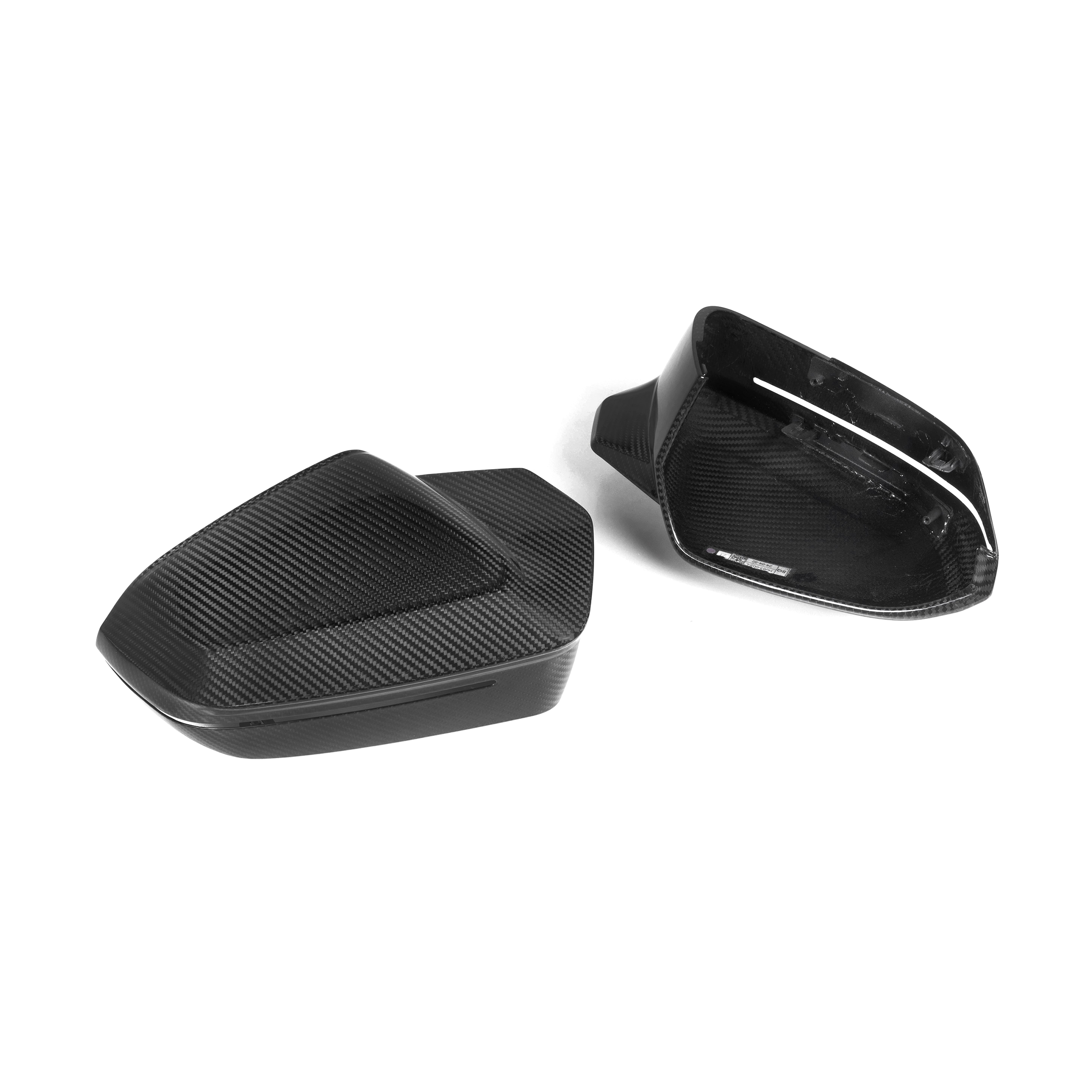
Compatibility with Your Vehicle Model
Why matching your car model is the first step in choosing a Car Mirror Cover
Getting mirror covers that fit your specific car make and model is really important to avoid problems later on. According to recent data from the 2024 Vehicle Accessories Report, around three out of four installation headaches come down to design incompatibilities. So checking what model you have before buying makes a big difference. When the covers actually match up with the original housing, they just snap into place without any fuss. Plus it keeps those fancy safety features working properly too, stuff like the blind spot detection system that so many cars have these days.
OEM specifications and how they ensure precise fitment
Original Equipment Manufacturer (OEM) guidelines provide exact measurements for mirror angle, curvature, and mounting points. These specifications eliminate guesswork, particularly for vehicles with integrated turn signals or heating elements. Adhering to OEM standards reduces the risk of wind noise, vibration, and water ingress by maintaining factory-engineered tolerances.
Universal-fit vs. model-specific Car Mirror Covers: Pros and cons
| Feature | Universal-Fit Covers | Model-Specific Covers |
|---|---|---|
| Installation Flexibility | Fits multiple vehicle types | Requires exact model match |
| Weather Resistance | 78% effectiveness (2023 Study) | 94% effectiveness (2023 Study) |
| Cost Efficiency | $15–$50 | $40–$120 |
While universal options suit budget-conscious buyers, model-specific designs outperform in durability tests by 33% (2024 Auto Parts Analysis).
Case Study: Installation success on popular sedans and SUVs
A 2024 field study across 12 major cities demonstrated 91% first-time installation success for model-specific covers on vehicles like the Honda CR-V and Toyota RAV4. Technicians reported zero modifications needed when using covers from the 2025 Compatibility Guide, compared to 2.7 hours of adjustments for universal variants.
Material Durability and Impact Protection
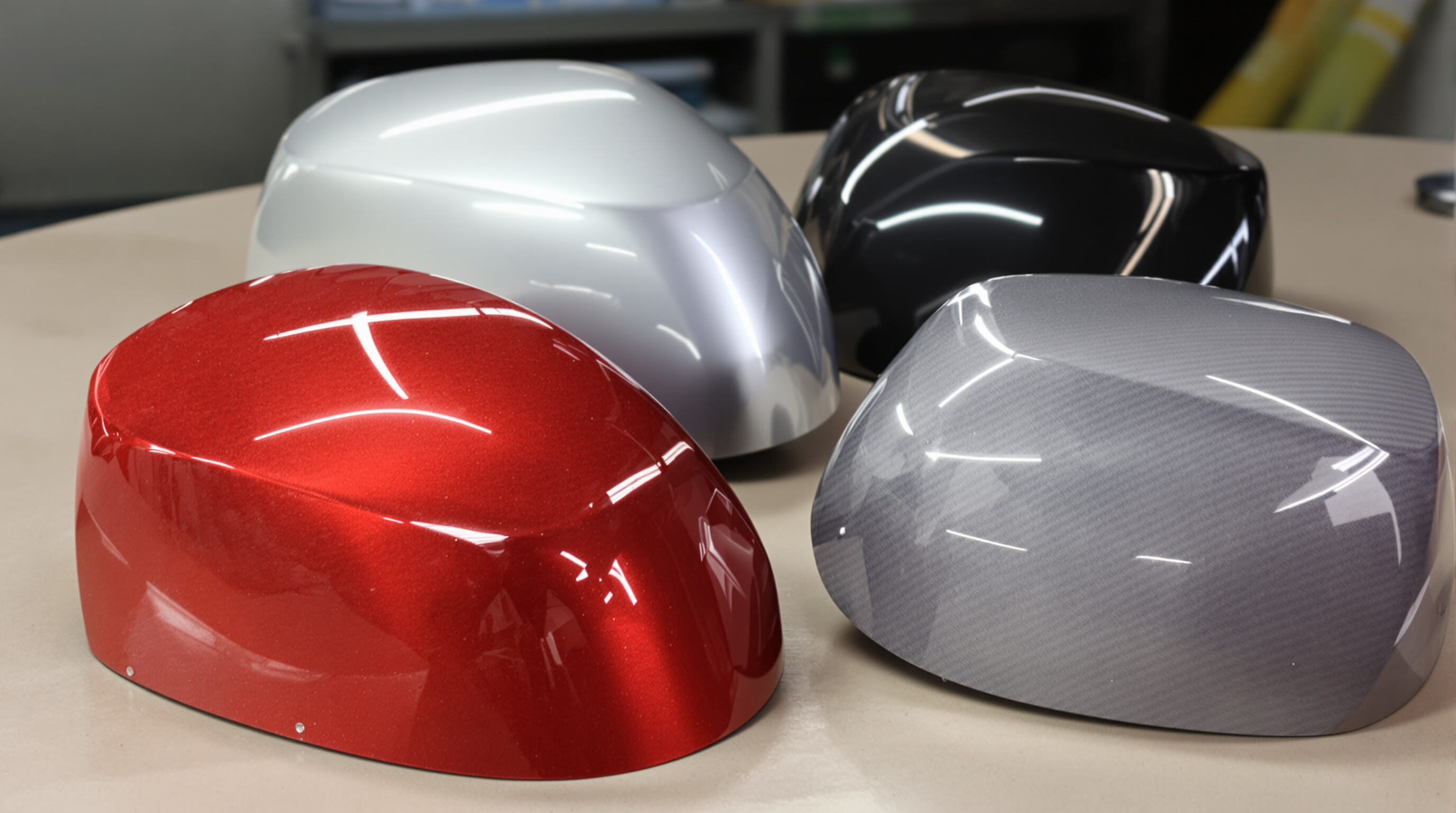
Common materials used in Car Mirror Covers and their durability ratings
Car mirror covers today come in various materials that strike different balances between protecting the mirror and looking good on the vehicle. For those watching their wallets, ABS plastic is still the go to option, usually lasting around three to five years in normal weather conditions. Polycarbonate blends have been making waves lately though, with recent studies from polymer labs showing they can handle impacts about forty percent better than regular plastics. Aluminum alloy versions definitely win when it comes to resisting dents in lab tests, but let's face it – adding nearly two pounds per mirror isn't great for fuel efficiency or handling. The newest kids on the block are these graphene infused composites we've seen in prototypes. Early tests indicate they resist scratches much better than what we've had before, maybe even seventy two percent improvement over standard materials. Still, most of these aren't widely available yet and come with a pretty steep price tag.
Impact resistance: How well mirror covers prevent dings and cracks
According to recent research in automotive engineering, well-designed mirror covers actually soak up between 65 and 80 percent of the energy from those inevitable parking lot collisions. The best performers tend to have two layers working together - the outer layer is tough enough to spread out the impact force, while the inner part stays flexible so vibrations don't travel all the way to where the cover attaches to the car body. Tests conducted under standard conditions found that mirror covers with ribs built into them cut down on door damage from strikes by around 34% when compared to plain flat designs. Car manufacturers are taking notice because these numbers translate directly into fewer repair costs and happier customers after minor accidents.
UV exposure and long-term material degradation
According to recent studies from 2024 on how materials weather over time, polycarbonate covers tend to lose around 15% of their ability to withstand impacts after being exposed to UV light for about 2,000 hours. That's roughly what happens when these covers sit out in the sun for 18 months or so in those southern states where sunlight is pretty intense all year round. Now top quality manufacturers are adding special UV stabilizers into their products which helps them last anywhere between three to five extra years before they start showing wear and tear. For folks dealing with harsh environments though, there's also ceramic coated aluminum available. These coatings tackle both problems at once really well since they protect against both sunlight damage and corrosion issues too. Lab testing shows these surfaces keep about 98% of their original condition even after going through what would normally take five real years of outdoor exposure compressed into lab conditions.
Plastic vs. carbon fiber: Performance in high-stress environments
| Characteristic | Injection-Molded Plastic | Carbon Fiber Composite |
|---|---|---|
| Impact Resistance | 7.2 kJ/m² | 14.8 kJ/m² |
| Weight | 0.8–1.2 lbs | 0.5–0.7 lbs |
| Temperature Tolerance | -40°F to 185°F | -65°F to 400°F |
| Cost | $15–$40 | $120–$300 |
While plastic suffices for urban use, carbon fiber's vibration damping proves essential for off-road vehicles—reducing mirror housing fatigue cracks by 62% in 18-month field trials. Thermal expansion rates differ dramatically, with carbon fiber maintaining 0.002 in/ft dimensional stability versus plastic's 0.015 in/ft variance under temperature swings.
Weather Resistance and Environmental Protection
Water, Snow, and Ice Resistance in Real-World Conditions
Car Mirror Covers face accelerated wear when exposed to moisture—73% of mirror-related insurance claims involve water damage or ice-related cracks (Auto Safety Institute 2023). Leading designs use hydrophobic polymer coatings that reduce snow adhesion by 40% compared to untreated surfaces in controlled tests.
Performance in Extreme Temperatures: Insights From Northern Climate Testing
Recent -40°F to 120°F thermal cycling tests show composite materials retain 92% structural integrity versus 78% for basic plastics, while rubberized seals maintain flexibility at -22°F (Arctic Protection Study 2024). Models with embedded heating elements prevent ice buildup but increase power draw by 18W during operation.
Sealing Mechanisms That Enhance Weather Protection
Triple-layer gaskets with UV-resistant EPDM rubber demonstrate:
| Seal Type | Water Ingress Prevention | Temperature Tolerance |
|---|---|---|
| Basic lip seal | 83% | -4°F to 158°F |
| Overlapped panel | 97% | -40°F to 212°F |
| Pressure-equalizing vents in premium covers reduce condensation by 61% during rapid temperature shifts while maintaining IP67 waterproof ratings. |
Scratch Resistance and Surface Protection Technologies
Real-world testing of scratch resistance across top Car Mirror Cover brands
Leading manufacturers conduct abrasion tests simulating road debris and automated car washes. Polycarbonate-based covers withstand 10,000+ scratch cycles while maintaining 92% optical clarity, outperforming standard ABS plastic by 37% in controlled trials. Brands achieving 9H pencil hardness ratings (matching premium phone screen protectors) show 83% fewer visible marks after 12 months of use.
Protective coatings that minimize surface damage
Nano-ceramic coatings with 200–800nm particle density create self-lubricating surfaces that reduce scratch depth by 40–60%. These coatings combine UV-resistant top layers (blocking 99% of UV-B rays) with impact-dissipating polymer bases, addressing both immediate abrasion and long-term material fatigue from thermal expansion.
Trend: Rising demand for self-healing polymer finishes
Thermoplastic polyurethane (TPU) with shape-memory technology now repairs 30-micron scratches within 24 hours through ambient heat activation. Adoption rates have tripled since 2022, with 68% of buyers prioritizing this feature for high-traffic urban environments where minor scuffs occur weekly.
Balancing aesthetics and resilience in surface materials
Advanced manufacturing layers scratch-resistant clear coats over customizable color substrates. Injection-molded ABS with metallic flake finishes matches steel’s scratch resistance at 55% lighter weight, while matte-textured composites reduce visible swirl marks by 79% compared to glossy alternatives.
Design Options, Personalization, and Installation
Aesthetic trends: Gloss, matte, chrome, and custom color finishes
Car mirror covers these days are getting just as customized as paint jobs sometimes even more so. According to a recent 2023 study looking at the automotive aftermarket scene, around seven out of ten buyers care more about how mirror covers look than what they actually do. For those fancy cars, glossy finishes still rule the roost with about 37 percent of owners going for them. Meanwhile folks who drive trucks and SUVs tend to gravitate toward matte textures because they hide scratches better which makes sense for rough terrain driving. Looking ahead, we're seeing some cool new stuff coming through like gradient chrome effects and special coatings that actually shift colors when hit by sunlight. These innovations suggest the market is moving fast towards personal expression rather than just practicality.
Branded emblems and personalization for vehicle identity
Personalization goes beyond colors—67% of luxury SUV owners install mirror covers with integrated brand emblems or custom laser engraving. Advanced systems use high-quality ABS copolymer blends (98% color retention after 5 years) to prevent emblem fading.
Installation methods: Clip-on, adhesive, and screw-mounted systems
| Method | Installation Time | Removal Risk | Best For |
|---|---|---|---|
| Clip-on | 2–5 minutes | Low | Temporary setups |
| Adhesive | 10+ minutes | Moderate | Permanent solutions |
| Screw-mounted | 15–25 minutes | Minimal | High-vibration use |
Maintenance tips and longevity by material type
Gloss finishes require biweekly washing with pH-neutral solutions to prevent water spots. Matte surfaces benefit from ceramic coatings ($40–$80 per bottle) that repel road grime without altering texture.
Maximizing ROI through proper care and durable design
Owners who combine OEM-compatible designs with quarterly maintenance intervals report 82% longer cover lifespan compared to unmaintained units. Thermal-stable polymers now withstand -40°F to 250°F ranges without warping—critical for preserving resale value.
Frequently Asked Questions
What is the importance of matching car mirror covers to specific vehicle models?
Matching covers to your car model ensures proper fit, avoiding installation issues and maintaining electronic features like blind spot detection.
How do OEM specifications affect car mirror covers?
OEM specifications provide exact measurements, ensuring compatibility and maintaining safety features without causing wind noise or water leaks.
What are the advantages of model-specific over universal car mirror covers?
Model-specific covers offer better fit and durability, though they can be more expensive compared to universal-fit options.
How do mirror cover materials differ in durability?
Materials like ABS plastic, polycarbonate, and carbon fiber cater to different needs, offering varying levels of impact resistance, weight, and cost.
What are the best installation methods for car mirror covers?
Installation methods vary: clip-on for temporary use, adhesive for permanent solutions, and screw-mounted for stability in high-vibration environments.
How do I maintain my car mirror covers to ensure longevity?
Regular maintenance like washing with pH-neutral solutions and using ceramic coatings can prolong the life of your covers significantly, maintaining their aesthetic and functional properties.
Table of Contents
- Compatibility with Your Vehicle Model
- Material Durability and Impact Protection
- Weather Resistance and Environmental Protection
- Scratch Resistance and Surface Protection Technologies
- Design Options, Personalization, and Installation
-
Frequently Asked Questions
- What is the importance of matching car mirror covers to specific vehicle models?
- How do OEM specifications affect car mirror covers?
- What are the advantages of model-specific over universal car mirror covers?
- How do mirror cover materials differ in durability?
- What are the best installation methods for car mirror covers?
- How do I maintain my car mirror covers to ensure longevity?