
 EN
EN
 AR
AR
 BG
BG
 CS
CS
 FR
FR
 DE
DE
 EL
EL
 IT
IT
 JA
JA
 KO
KO
 NO
NO
 PL
PL
 PT
PT
 RU
RU
 ES
ES
 TL
TL
 ID
ID
 SR
SR
 SK
SK
 TH
TH
 TR
TR
 MS
MS
 KA
KA
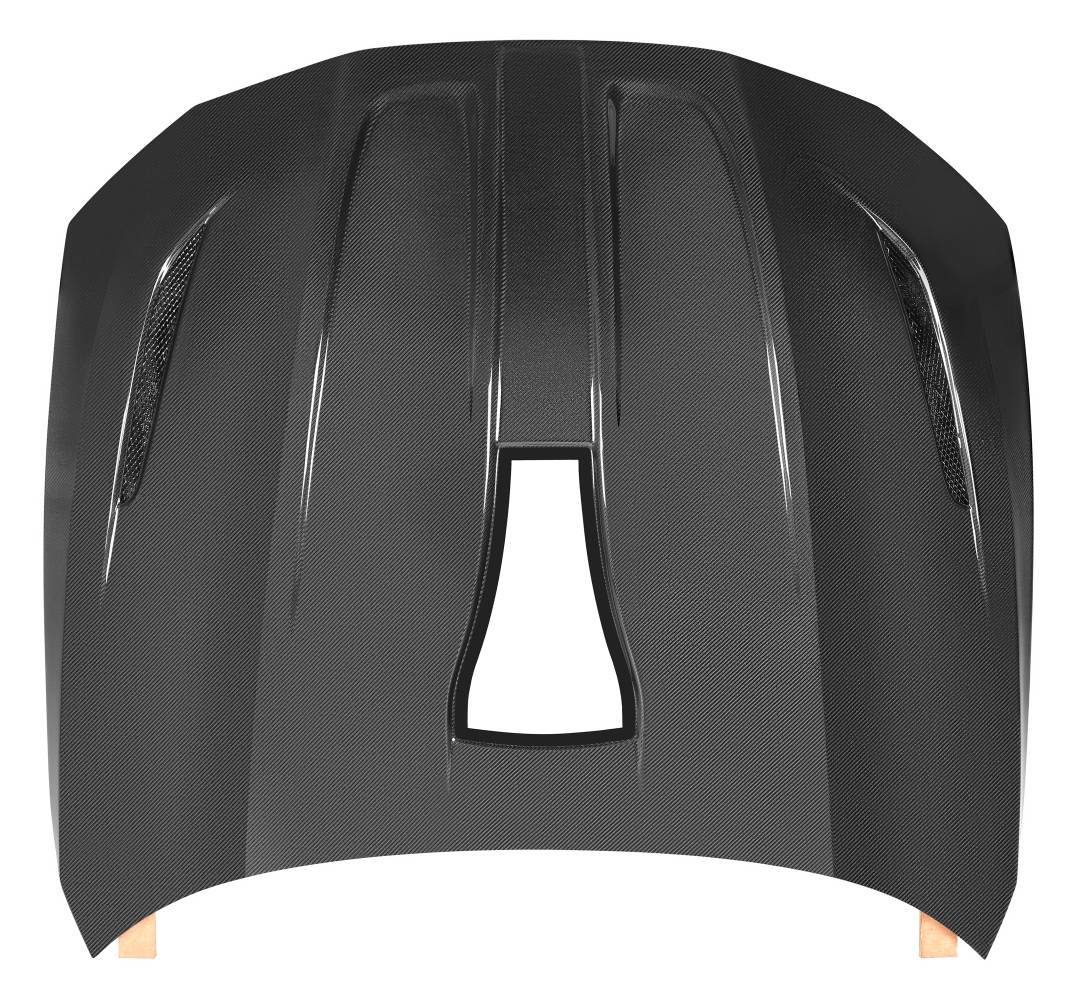
The Role of the Car Hood in Vehicle Aesthetics and First Impressions
How hood design shapes the front profile and overall vehicle styling
The hood of a car acts as the main focal point for the front part of the vehicle, making up roughly between sixty to seventy percent of what people see first about any given car model based on how cars are designed. How the hood flows around it, connects with those lights upfront, and relates to the grille all work together to form a cohesive look. Whether there are sharp edges or smooth curves along the hood, these features usually flow right into the shape of the fenders, giving off a sense of movement even when parked. Car manufacturers know this well because they spend so much time working on these details. After all, most folks who shop for cars care a lot about how the front looks, with nearly three quarters actually putting front end appearance high on their list when considering which car to buy.
Proportion, line flow, and hood length: Key elements in visual balance
The ratio between the hood and cabin area really affects how people perceive a car's performance and luxury level. Sports models typically have longer hoods, about 55 to 60 percent of the overall length, which gives off that classic rear-wheel drive vibe. SUV manufacturers go the other way with shorter front ends because they want to emphasize practicality over sportiness. According to some recent data from the 2024 Automotive Styling Trends Report, cars where the hood is around 1.3 to 1.5 times the wheelbase length tend to get much better scores in customer satisfaction surveys, roughly 22 percent higher than others. Designers also know that smooth lines running from the front bumper all the way back to the roof create a nice flowing look. This matters because almost half (about 41%) of car shoppers actually call those broken up designs "looking old fashioned" based on J.D. Power's findings last year.
Why 73% of car buyers notice the front first (2023 J.D. Power Study)
Frontal design elements—particularly the hood—form subconscious first impressions within seven seconds, according to neuromarketing research. J.D. Power’s data reveals that 61% associate swept-back hood designs with “advanced technology,” 54% view power-dome hoods as indicators of high performance, and 37% consider hood shutline precision when judging build quality.
The psychology of automotive first impressions and curb appeal
Car hood designs actually play on deep-seated visual instincts we have from nature. Think about how predators show off their strength through broad shoulders, or how precious stones catch light with their many facets. When auto manufacturers angle hoods between 3 to 5 degrees above the fender line, people tend to see those cars as significantly more aggressive according to research findings. On the flip side, when hoods sit flush with no visible seams, they scream quality workmanship something that matters a lot to folks shopping for luxury vehicles about two thirds of them prefer this look. The numbers back this up too dealers often assign an extra $1,200 to $1,800 value to cars with redesigned hoods just based on appearance alone. That makes sense when considering first impressions count so much when someone pulls up to check out a car on the lot.
Factory vs. Aftermarket Car Hoods: Balancing Style, Performance, and Value
Key differences between OEM and aftermarket car hoods
Car hoods made by Original Equipment Manufacturers stick strictly to what comes out of the factory, built with stuff like stamped steel or aluminum so they fit right with everything else on the vehicle. When people go for aftermarket options though, they get way more freedom to customize things. These can be made from all sorts of materials including carbon fiber, fiberglass, even some kind of mixed composite blends. Looking at recent market research, most folks buying aftermarket hoods care more about looking different than sticking with what came stock. About two thirds of buyers want something that stands out visually instead of matching factory specs. Then there's the other group, roughly a third who are after lighter weight because it helps their cars perform better. Makes sense really when you think about racing enthusiasts or anyone trying to squeeze extra speed out of their ride.
| Criteria | OEM Hoods | Aftermarket Hoods |
|---|---|---|
| Material Consistency | Strict adherence to factory specs | Varied (carbon fiber, composites) |
| Weight Optimization | ±5% deviation from stock | Up to 40% lighter options |
| Design Flexibility | Limited to original styling | Custom vents, scoops, profiles |
Aesthetic and functional benefits of upgrading to an aftermarket hood
When someone swaps out their stock hood for an aftermarket version, they're changing more than just looks. The aggressive vents on these hoods can drop engine compartment temps anywhere from 12 to 18 degrees Fahrenheit, which makes a real difference for how hot the engine runs and how air flows over the car. Many drivers go for matte black finishes these days or even expose the carbon fiber weave underneath, since this style is all the rage right now among car enthusiasts. Dealers actually put a 22% higher value on cars with these kinds of modifications when assessing trade-ins. And interesting numbers come from the market too: about half (that's 56%) of cars that get restyled with aftermarket hoods end up fetching better prices at resale than those stuck with factory parts only.
Carbon Fiber Car Hoods: Combining Lightweight Performance with Aggressive Styling
Visual and Performance Advantages of Carbon Fiber Hoods
Car hoods made from carbon fiber cut down on weight by about 71.4% when compared to traditional steel ones, yet they still hold up structurally. That's why so many people who care about performance opt for these lightweight alternatives. What catches the eye too is how the material looks. The woven pattern combined with that shiny surface gives vehicles a real racing vibe that stands out on today's roads. And it's not just about appearance. When cars are lighter, their center of gravity drops lower. This makes handling better around corners and can actually save fuel too. Some tests show fuel consumption drops around 7% during highway drives after switching to carbon fiber hoods.
Hood Vents and Scoops: Enhancing Style and Aerodynamic Credibility
Functional hood vents reduce underhood heat by 22°F during aggressive driving while channeling airflow to minimize front-end lift. Angled scoops amplify visual aggression, creating a purposeful performance stance. This aerodynamic tuning isn’t just cosmetic—aftermarket testing shows vented carbon fiber hoods reduce drag coefficients by 0.03 in sport coupes.
Case Study: BMW M3 Restyling With Carbon Fiber Hood Boosts Perceived Performance by 40%
A 2023 redesign of the BMW M3 with a carbon fiber hood featuring integrated air intakes led to a 23% increase in test-drive requests at dealerships. Participants in blind surveys rated the modified vehicle as “high-performance” 40% more frequently than stock models, proving how material choices directly influence buyer psychology.
Customization and Personalization: Tailoring Your Car Hood to Your Style
Paint finishes, trim details, and surface treatments for unique looks
Car hood customization these days goes way past just picking paint colors. People are getting creative with all sorts of special finishes now, from matte looks to shiny metallics and even those cool chameleon paints that change color depending on the light. Some folks go for surface treatments too, like giving their hoods that brushed aluminum look or wrapping them in something that mimics carbon fiber. The little details matter a lot too. Think about recessed pinstripes running along the edges or LED lights that highlight certain parts of the hood. These touches help draw attention to specific features you might want to showcase , whether it's a fancy hood vent or a bold center ridge. And all this fits into different style directions people are going for nowadays, be it old school classic vibes, cutting edge futuristic stuff, or clean simple designs.
Matching your car hood to your lifestyle and vehicle’s purpose
When it comes to off-road trucks, folks who love hitting the trails really want a hood made with stronger materials plus those built-in spots for extra lights out front. Sedans driven around town day after day tend to go for sleeker looks with matching colored accents that just scream city style. Performance junkies get excited about hoods with actual air vents or scoop designs because they help keep engines cool but also let everyone know this car means business. What material ends up on the hood says a lot about how someone lives their life too. Track racers will splurge on super light carbon fiber since every ounce counts, whereas people living near the beach where salt air eats through metal usually settle for aluminum that stands up better against rust over time.
Show cars and custom builds: Winning attention through strategic hood design
Car designers know that hoods tell stories when it comes to competition vehicles. Chrome finishes reflect crazy amounts of light in showrooms, making cars look almost magical sometimes. Some folks even paint elaborate scenes on hoods, turning them into rolling works of art. Scoops sticking out all over the place, weird shaped vents, and those little metal rivets everyone can see? That's what makes people think these cars are ready for racing tracks right now. We checked numbers from several auto shows last year and found something interesting: around two thirds of visitors remember the hood designs before anything else about the car. Makes sense really since our eyes get drawn there first when we look at competition models side by side.
By balancing technical execution with artistic vision, a customized car hood becomes more than a panel—it’s a signature element that elevates the vehicle’s entire narrative.
FAQ
What are the visual factors that influence car buyers the most?
The front profile, especially the hood design, plays a major role in influencing car buyers, with factors like line flow, hood length, and the proportion of the hood to the cabin being important.
Why do aftermarket hoods appeal to car enthusiasts?
Aftermarket hoods offer greater design flexibility and performance advantages, like reduced weight and enhanced aerodynamics, making them appealing to enthusiasts.
How does a carbon fiber hood improve a car's performance?
Carbon fiber hoods reduce a car's weight significantly while maintaining structural integrity, thus lowering the vehicle’s center of gravity, improving handling, and increasing fuel efficiency.
Are OEM hoods or aftermarket hoods better for my vehicle?
The choice between OEM and aftermarket hoods depends on individual preference. OEM hoods adhere to factory specs, whereas aftermarket hoods offer greater customization and potential performance benefits.
Table of Contents
- The Role of the Car Hood in Vehicle Aesthetics and First Impressions
- Factory vs. Aftermarket Car Hoods: Balancing Style, Performance, and Value
- Carbon Fiber Car Hoods: Combining Lightweight Performance with Aggressive Styling
- Customization and Personalization: Tailoring Your Car Hood to Your Style
- FAQ