
 EN
EN
 AR
AR
 BG
BG
 CS
CS
 FR
FR
 DE
DE
 EL
EL
 IT
IT
 JA
JA
 KO
KO
 NO
NO
 PL
PL
 PT
PT
 RU
RU
 ES
ES
 TL
TL
 ID
ID
 SR
SR
 SK
SK
 TH
TH
 TR
TR
 MS
MS
 KA
KA
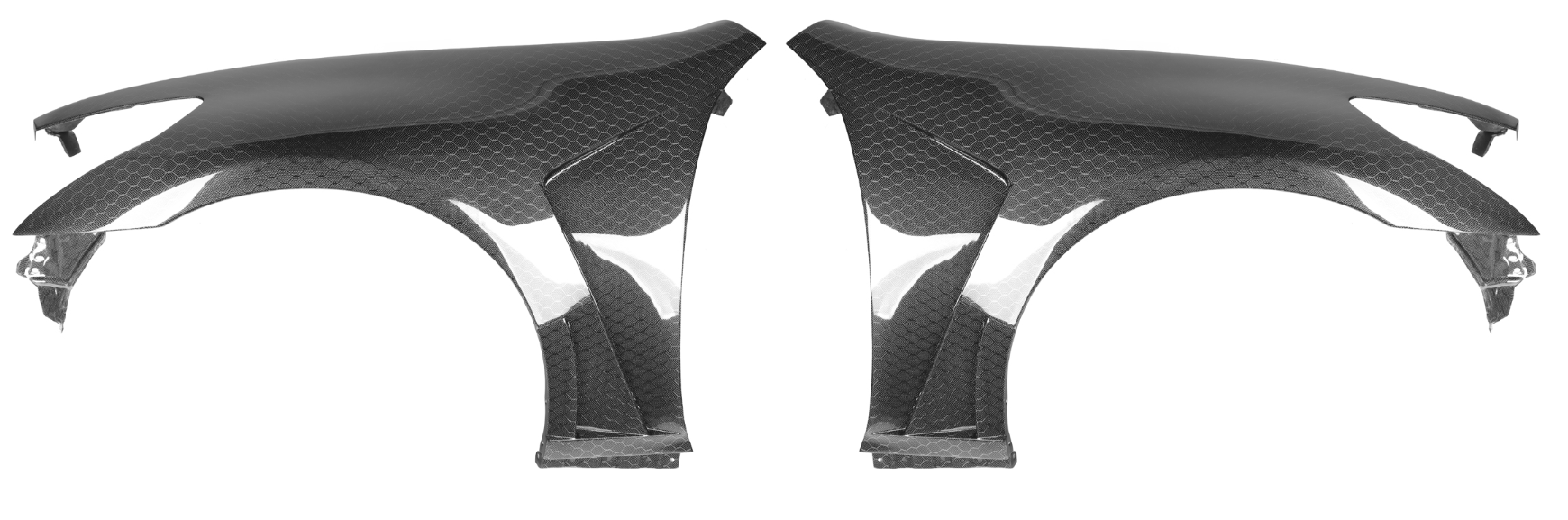
For automotive enthusiasts, performance tuners, and everyday drivers alike, optimizing a vehicle’s aerodynamics is a key pursuit— and carbon car fenders have emerged as a top choice for those looking to boost aerodynamic efficiency while upgrading their car’s build. A common question lingers in the automotive community: do carbon car fenders reduce wind resistance effectively? The short answer is a resounding yes, but their aerodynamic benefits extend far beyond simple resistance reduction, rooted in the material’s unique properties and the precision engineering of modern carbon car fender designs. Below, we break down how carbon car fenders enhance aerodynamics, the engineering behind their wind resistance performance, and why they outperform traditional fender materials in this critical area.
The Core Advantages of Carbon Fiber for Aerodynamic Fender Design
Carbon car fenders deliver superior wind resistance reduction first and foremost because of carbon fiber’s inherent material characteristics, which align perfectly with aerodynamic design principles. Unlike steel or aluminum fenders— which are dense, rigid, and limited in shaping flexibility— carbon fiber is ultra-lightweight and highly moldable, allowing engineers to craft carbon car fenders with sleek, contoured profiles that eliminate sharp edges and flat surfaces: the primary culprits of wind drag.
Traditional metal fenders often feature bulky seams, uneven curves, and excess material that create turbulent air flow as a vehicle moves; carbon car fenders, by contrast, are manufactured with smooth, continuous lines that guide air around the wheel wells and along the car’s body, minimizing air turbulence and reducing the drag coefficient. Additionally, carbon fiber’s high strength-to-weight ratio means carbon car fenders can be made with thinner, more streamlined construction without sacrificing structural integrity, further cutting down on wind resistance caused by unnecessary bulk. For performance and tuned vehicles, this lightweight aerodynamic design of carbon car fenders also reduces overall vehicle weight, creating a dual benefit of less drag and improved power-to-weight ratio.
Precision Engineering: How Carbon Car Fenders Target Wind Resistance Hotspots
Wind resistance around the wheel wells is one of the most significant sources of aerodynamic inefficiency in any vehicle, and carbon car fenders are engineered specifically to address this hotspot. Expertly designed carbon car fenders feature optimized curvature and tight, OEM-perfect fitment around the tires, which prevents air from getting trapped in the wheel well and creating disruptive backflow. Many performance-focused carbon car fenders also incorporate subtle air vents or sculpted channels— a design element only feasible with carbon fiber’s moldability— that direct air through the fender rather than against it, further reducing drag and even aiding in brake heat dissipation.
This precision engineering is only possible with carbon fiber’s manufacturing versatility: pre-preg and wet carbon fiber production methods allow for the creation of carbon car fenders with exacting dimensional accuracy, ensuring a seamless fit with the car’s body panels. Gaps between fenders and adjacent body parts are a major source of wind noise and resistance, but carbon car fenders eliminate these gaps, creating a smooth, aerodynamic surface that lets air glide over the vehicle with minimal disruption. Every contour, curve, and edge of a high-quality carbon car fender is calculated to optimize air flow, making it a far more effective solution for wind resistance reduction than generic metal or plastic fenders.
Are All Carbon Car Fenders Equally Effective at Reducing Wind Resistance?
While carbon car fenders inherently outperform traditional materials in aerodynamics, not all carbon car fenders deliver the same level of wind resistance reduction. The effectiveness hinges on two critical factors: design quality and manufacturing precision. Generic, ill-fitting carbon car fenders with rough edges or poor contouring will fail to optimize air flow, and low-grade carbon fiber construction can lead to warping or misalignment over time— both of which negate aerodynamic benefits.
High-quality carbon car fenders, by contrast, are designed with vehicle-specific aerodynamic data in mind and manufactured using premium pre-preg or wet carbon fiber processes, ensuring consistent shape, tight fitment, and durable performance. These carbon car fenders are tested to align with a vehicle’s original aerodynamic profile while enhancing it, making them the only reliable choice for meaningful wind resistance reduction. For car tuners and enthusiasts, investing in well-engineered carbon car fenders is not just an aesthetic upgrade, but a functional one that delivers tangible aerodynamic benefits.
Final Verdict: Carbon Car Fenders as a Key Aerodynamic Upgrade
Carbon car fenders do not just reduce wind resistance effectively— they redefine a vehicle’s aerodynamic performance around the wheel wells, one of the most critical areas for drag reduction. Their lightweight, moldable construction enables sleek, turbulence-minimizing designs, while precision engineering ensures a perfect fit that eliminates air flow inefficiencies. When paired with other aerodynamic tuning parts, carbon car fenders become a cornerstone of a vehicle’s aerodynamic setup, boosting fuel efficiency for daily drivers and enhancing speed and handling for performance vehicles.
For anyone looking to optimize their car’s aerodynamics, carbon car fenders are a smart, effective investment— proving that the material’s benefits extend far beyond its iconic sporty look to deliver real, measurable performance gains on the road.