
 EN
EN
 AR
AR
 BG
BG
 CS
CS
 FR
FR
 DE
DE
 EL
EL
 IT
IT
 JA
JA
 KO
KO
 NO
NO
 PL
PL
 PT
PT
 RU
RU
 ES
ES
 TL
TL
 ID
ID
 SR
SR
 SK
SK
 TH
TH
 TR
TR
 MS
MS
 KA
KA
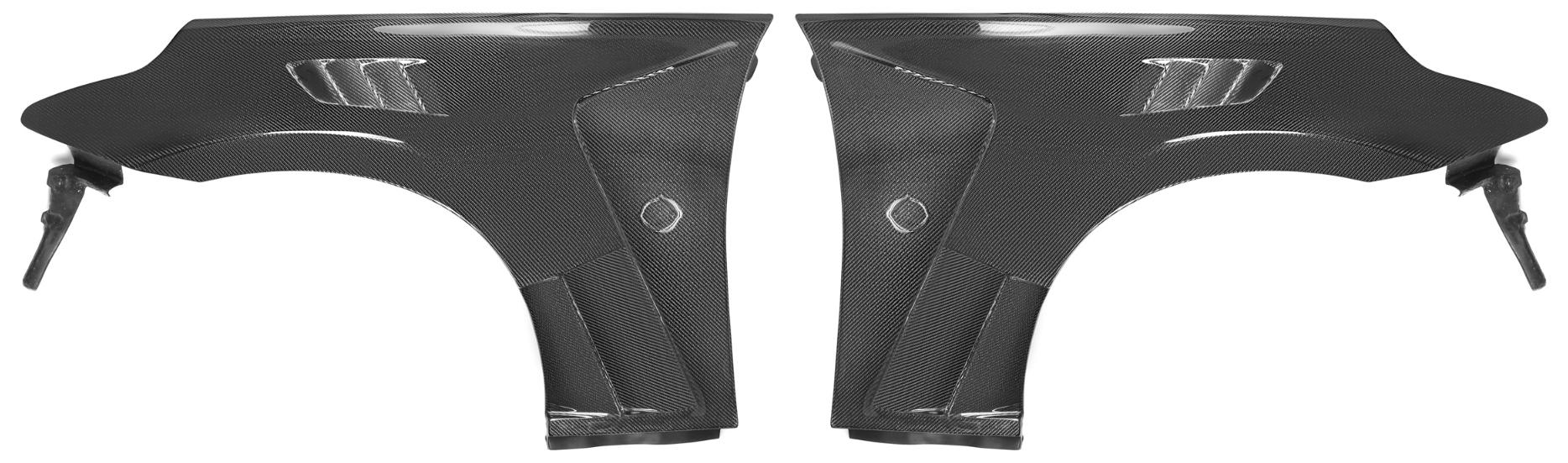
Racing-Style Car Fender Aesthetics: Form, Flare, and Finish
Flared vs. Widebody Car Fenders: Communicating Aggression Visually
Car fenders come in two main styles when it comes to race car looks: flared and widebody. Flares basically stretch out the wheel arch area about an inch or so without messing with the original body shape. They work great for people building cars for track days who still want their ride to look like something from the factory showroom but with just a hint of performance attitude. Widebody kits are totally different though. These things can add four inches or more to the car's width through either bolt-on panels or permanent welds, giving vehicles that aggressive stance everyone loves to see at car shows. The way these modifications look tells stories too. See those massive widebodies on Porsche 911 RSR replicas? That screams serious cornering power. Meanwhile, smaller flares on a Nissan Z don't shout as loud but still say this car means business on the track. What materials get used matters too. Carbon fiber widebodies scream race bred heritage, while polymer flares that match the paint job keep things looking clean and street friendly rather than track focused.
Color Matching, Surface Finishes, and Material Cohesion for Track-Ready Appearance
A professional track aesthetic hinges on seamless surface integration. Three elements are non-negotiable:
- Color matching requires spectrophotometer analysis of factory paint codes—73% of mismatched fenders disrupt visual flow, per the 2024 Automotive Finishes Report
- Finish selection must align with use: gloss highlights carbon fiber weave on show cars, while matte or textured polyurethane resists cone marks during autocross
- Material transitions, such as pairing carbon fenders with urethane bumpers, demand engineered solutions like hidden joining plates to prevent stress cracks during chassis flex
Professional builders often use precision wrap transitions between dissimilar materials—accommodating different thermal expansion rates while eliminating the “bolt-on” appearance. The result is a factory-engineered cohesion that supports both visual authority and structural integrity.
Performance Benefits of Carbon Fiber Car Fenders
Weight Reduction Impact on Acceleration, Braking, and Cornering Response
Car fenders made from carbon fiber can cut down on weight anywhere from 40 to 70 percent compared to traditional materials like steel or fiberglass, which makes a real difference in how the vehicle performs dynamically. When there's less weight to move around, the car accelerates faster because the engine doesn't have to work so hard against inertia. Tests show that taking just 50 pounds off the front end can shave between 0.1 and 0.2 seconds off the time it takes to go from zero to sixty miles per hour. The brakes also stop the car sooner since there's less momentum to overcome, sometimes cutting stopping distance by as much as three feet. Cornering gets better too. Carbon fiber is super stiff, so the body of the car doesn't flex as much when going through turns. This helps keep the tires planted firmly on the road surface even during those tight, high speed corners where grip matters most.
Real-World Track Data: How Lightweight Car Fenders Improve Lap Times
Lightweight fenders tend to give drivers better lap times on race circuits. When we look at data from different tracks around the country, cars that lose about 55 pounds overall typically run 1.2 to almost 2% quicker per lap. Why does this happen? Well, there are actually several things going on at once. First, lighter vehicles accelerate better coming out of tight corners. Second, brakes don't get as hot when stopping repeatedly at high speeds because there's less mass to slow down. And third, the front end reacts faster when drivers need to change direction suddenly. For endurance races especially, these weight savings really pay off over time. Lighter cars put less strain on tires and suspension components, so they maintain their handling performance much longer compared to heavier counterparts that start to fall apart after hundreds of laps.
Aerodynamics and Fitment: Ensuring Racing-Style Car Fenders Function as Well as They Look
Managing Airflow: Flow Separation, Wheel Arch Vortices, and Downforce Integration
Racing style fenders do more than just hold things in place they actually work with the airflow. The shape of these fenders is specifically crafted so the air stays attached longer at the wheel area, which cuts down on all that messy turbulence and those pesky vortices that sap downforce away. When air moves faster around the tires, cars stay more stable at speed. And those little vents built into some designs? They let out that trapped high pressure air, helping lower lift forces. Take flared fenders as an example. These wide sections guide air right towards the back diffuser area. AeroTech Motorsport did some tests last year and found this setup boosts rear grip somewhere between 8% to 12%. Combine these fenders properly with front splitters, canards, and rear wings, and suddenly what looks like just bodywork becomes serious aerodynamics work rather than mere decoration.
Clearance, Suspension Compatibility, and Legal/Track-Spec Fitment Requirements
Track-ready fenders demand engineering-grade fitment—not just visual alignment. Critical measurements include:
- Wheel clearance: Minimum 15mm gap at full suspension compression
- Suspension travel: Verified compatibility with coilovers, air-ride, or multi-link systems
- Regulatory compliance: Adherence to FIA/IMSA material thickness standards (≥1.2mm) and regional homologation rules
| Fitment Factor | Street Legal | Track-Spec |
|---|---|---|
| Material | ABS/Plastic | Carbon Fiber |
| Protrusion | ≤30mm | ≤50mm |
| Edge Radius | ≥2.5mm | ≥5mm |
Non-compliant fenders risk disqualification. For optimal function, pair with adjustable camber arms and reinforced mounting hardware—ensuring the fender contributes to, rather than compromises, chassis integrity.
FAQ Section
What are the differences between flared and widebody car fenders?
Flared fenders extend the wheel arch without altering the original body shape significantly, adding a subtle performance look. Widebody fenders significantly widen the car's profile, adding a bold, aggressive stance.
How does color matching affect the aesthetics of car fenders?
Color matching is crucial to maintain visual flow and ensure a cohesive look. Mismatched fenders can disrupt the car's overall appearance and professionalism.
Why are carbon fiber fenders favored for performance?
Carbon fiber fenders reduce weight substantially, enhancing acceleration, braking, and cornering. Their stiffness also limits body flex, keeping tires better planted on the road during high-speed turns.
How can lightweight car fenders improve track lap times?
Lightweight fenders enhance acceleration and reduce brake heating issues, leading to quicker lap times. They also reduce strain on tires and suspension, maintaining performance over extended races.
What considerations are needed for aerodynamic racing-style fenders?
Aerodynamic fenders manage airflow to reduce turbulence and improve downforce, enhancing stability at high speeds. Proper fitment with additional aero components can turn bodywork into functional aerodynamic assets.
Table of Contents
- Racing-Style Car Fender Aesthetics: Form, Flare, and Finish
- Performance Benefits of Carbon Fiber Car Fenders
- Aerodynamics and Fitment: Ensuring Racing-Style Car Fenders Function as Well as They Look
-
FAQ Section
- What are the differences between flared and widebody car fenders?
- How does color matching affect the aesthetics of car fenders?
- Why are carbon fiber fenders favored for performance?
- How can lightweight car fenders improve track lap times?
- What considerations are needed for aerodynamic racing-style fenders?